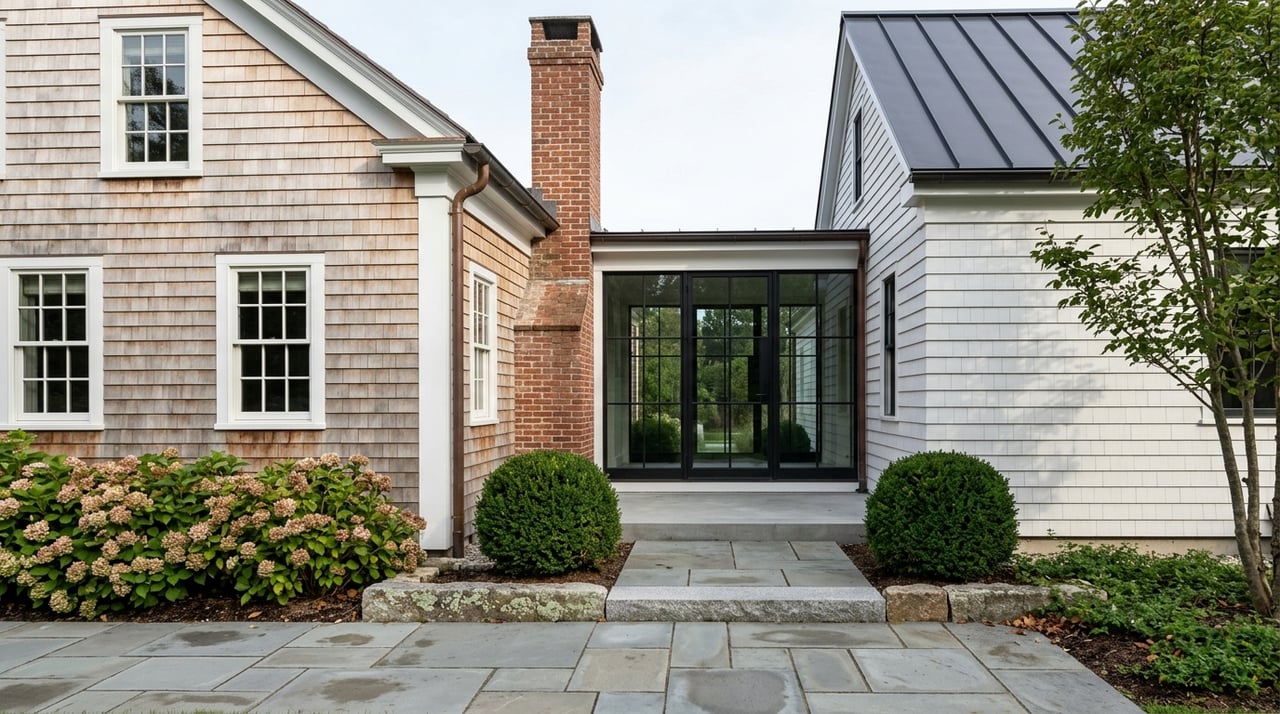
If you are pricing a home in Southampton, age alone will not tell you enough. A historic house and a new build can both command strong numbers here, but they appeal to buyers for very different reasons. When you understand how buyers weigh character, usability, efficiency, and future work, pricing becomes far more precise. Let’s dive in.
Southampton pricing starts with context
Southampton remains one of the Hamptons’ most expensive and selective markets. In the Douglas Elliman and Miller Samuel Q4 2025 Hamptons report, Southampton posted a median sales price of $2.65 million, with 83 listings and 7.2 months of supply.
That backdrop matters because buyers at this level are typically not making broad, one-size-fits-all comparisons. They are evaluating a property’s specific story, level of finish, condition, and the lifestyle it offers. In Southampton, that means a historic home and a new-build home often sit in different value conversations, even when they share a similar location.
What makes a home historic in Southampton
In Southampton, the term historic can mean more than simply old. The Town of Southampton notes that a property is generally considered historic at 50 years or older, but local historic designation is a separate process tied to age, integrity, and significance.
The area also includes multiple historic districts and landmarks, including the Southampton Village Historic District. For sellers and buyers, that distinction matters because a home can have historic appeal without carrying the same review process as a locally designated property.
Why historic homes can price at a premium
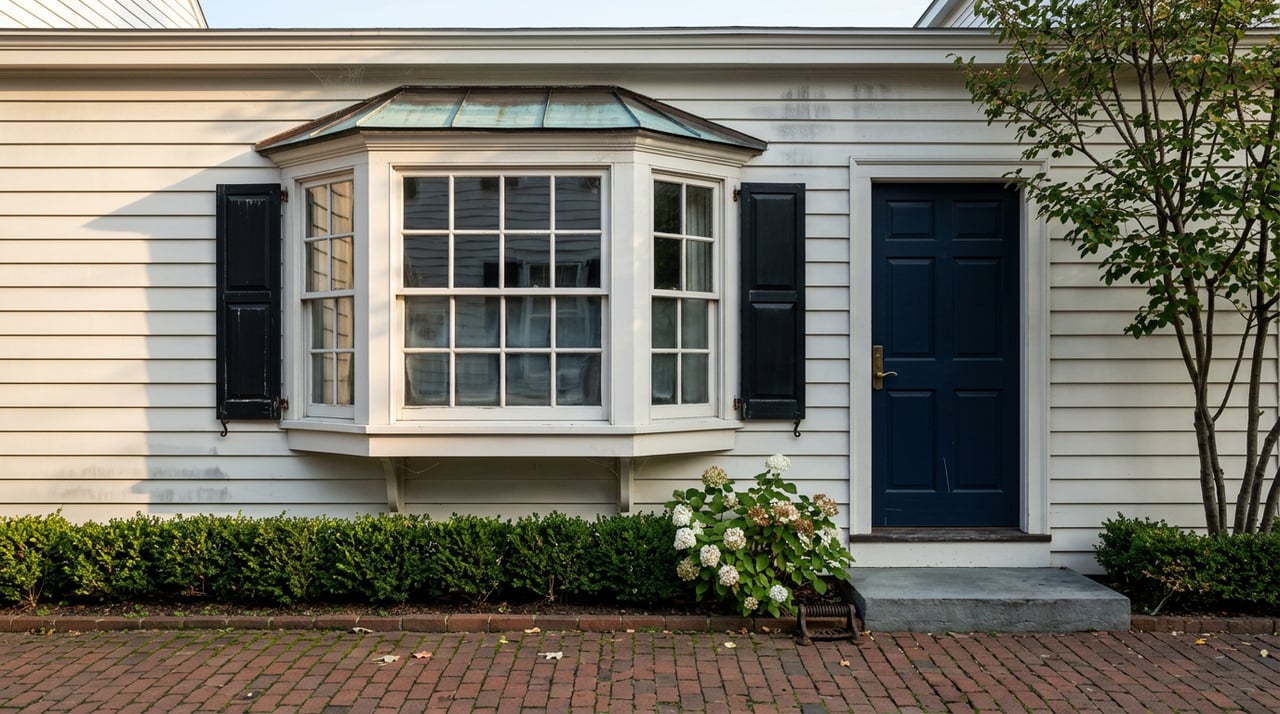
Historic homes in Southampton often draw buyers who value architecture, provenance, and a sense of place. Southampton Village highlights its 17th-century origins and its architectural legacy, including late-Victorian and early-20th-century summer houses, which helps explain why certain period homes carry emotional and market appeal.
That appeal can support pricing, especially when a home retains architectural integrity and has been updated thoughtfully. Research in other markets has shown that local historic districts can be associated with higher sale prices, but the premium is not automatic and does not apply uniformly everywhere.
In practice, buyers tend to pay for the total package. A historic Southampton property may justify a stronger price when it offers recognizable design character, quality renovations, and a clear connection to the village setting buyers came for in the first place.
What can limit historic-home pricing
Historic value has limits when buyers expect too much work after closing. In Southampton Village historic districts, exterior alterations, demolition, and new construction require a Certificate of Appropriateness, and the review board considers elements such as design, scale, massing, materials, and color.
That review structure can affect pricing because buyers are not only buying beauty. They are also buying into a process. If a future addition, exterior revision, or broader update may involve more approvals, some buyers will factor that added friction into what they are willing to pay.
Condition also plays a large role. Buyers may love period detail, but they still notice insulation, windows, HVAC, and core systems. Interest in energy efficiency has risen, and buyer surveys show that many people now place meaningful weight on efficient features when deciding which homes deserve a closer look.
Why new builds live in a different price band
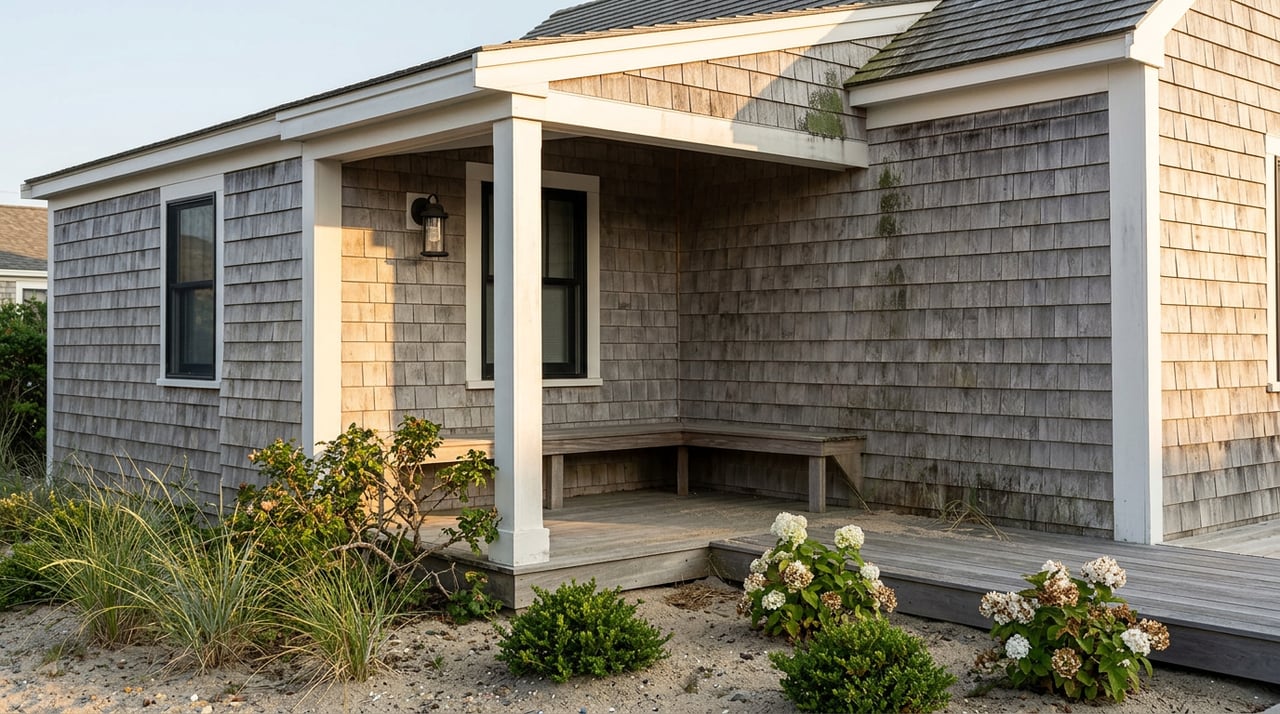
New construction often earns attention for a different set of reasons. Buyer surveys from 2024 show strong interest in air conditioning, private outdoor space, floor plans that fit personal preferences, and energy efficiency. Smart-home capabilities also matter to a share of buyers.
In a luxury market like Southampton, that can translate into a willingness to pay for convenience. A newer home often presents itself as a turnkey option with updated systems, a more contemporary layout, and fewer near-term maintenance questions.
Still, new does not automatically mean more valuable. Buyers will compare finish quality, lot usability, outdoor living, and overall design execution. A brand-new home with a weak layout or less compelling site plan may not outperform a beautifully renovated older property.
Southampton new builds carry their own costs
A new build in Southampton is not simply a newly finished house. The Town’s checklist for new single-family dwellings includes HERS certification, Manual J/D/S, third-party energy testing, and REScheck documentation. In some locations, a Coastal Erosion Hazard Permit may also be required, and the Town Building Department administers floodplain and coastal erosion regulations.
These requirements matter because they shape both cost and timeline. For pricing purposes, buyers often understand that a Southampton new build reflects not just construction quality, but also land value, approvals, compliance work, and the complexity of building in a tightly regulated coastal market.
That does not mean every new home deserves a premium. It means the premium has to be supported by the home’s execution, location, and ease of use once a buyer takes ownership.
How buyers compare historic and new-build homes
Most buyers are not asking, “Is this old or new?” They are asking a more practical question: What am I really getting, and what will I need to do next?
For a historic home, buyers often focus on:
- Architectural character
- Original detail and craftsmanship
- District status and review considerations
- Renovation quality
- System updates and energy performance
For a new build, buyers often focus on:
- Floor plan and room flow
- Private outdoor space
- Modern systems and efficiency
- Finish quality and design cohesion
- Compliance, carrying costs, and site constraints
That is why pricing should reflect the buyer pool a home is likely to attract. Historic homes generally compete best against other period properties with similar condition and pedigree. New builds usually compete against other recent construction with comparable lots, amenities, and quality of finish.
The real pricing question for sellers
If you are selling in Southampton, the central pricing question is not whether your home is historic or new. It is whether your price matches the value buyers see after they account for charm, convenience, future work, and rarity.
A well-preserved historic home may outperform a newer property if it offers strong architecture, thoughtful modernization, and a location that supports its identity. A new build may outperform an older home if it delivers better livability, lower near-term maintenance, and more efficient systems.
The clearest pricing lens is this: buyers pay for a mix of heritage, usability, efficiency, and approval friction. In Southampton, that mix is often more important than age alone.
Presentation has a direct effect on price perception
Because buyers start online, presentation carries real pricing power. According to the 2024 NAR buyer survey, internet-using buyers placed high value on photos, detailed property information, and floor plans. Zillow also found that 86% of buyers were more likely to view a home if the listing included a floor plan they liked.
That means your marketing should make the home’s value story immediately clear. For a historic listing, that may mean emphasizing craftsmanship, architectural detail, restoration quality, and what has already been improved. For a new build, it often means highlighting layout, system performance, outdoor living, and finish level.
In a market as visual and design-aware as Southampton, buyers respond not just to facts, but to clarity. When the presentation aligns with the right buyer pool, pricing feels more justified from the start.
A smarter way to price in Southampton
The best pricing strategy is nuanced, local, and property-specific. It should account for district status, condition, design quality, layout, systems, and the kind of buyer most likely to act.
That is especially true in Southampton, where one street can hold very different value stories. A period village house, a newly built estate, and a redevelopment site may all attract strong interest, but not from the same buyer for the same reasons.
If you want to price well, you need more than a basic comp set. You need to understand what today’s buyer sees as effortless, what they see as special, and what they see as a future project.
Whether you are preparing a historic property for market or evaluating the right price position for newer construction, thoughtful guidance can make a meaningful difference. To discuss your Southampton property with a design-minded local advisor, connect with Deborah Srb.
FAQs
How is a historic home defined in Southampton?
- The Town of Southampton says a property is generally considered historic at 50 years or older, but local designation is a separate process based on age, integrity, and significance.
Does historic designation always increase a Southampton home’s value?
- No. Historic designation can support value in some markets, but pricing still depends on location, condition, renovation quality, and how buyers perceive future restrictions or approval steps.
Do new-build homes always sell for more in Southampton?
- No. A new build may command a premium for layout, efficiency, and convenience, but buyers still weigh finish quality, outdoor space, and overall usability.
What matters most when pricing a Southampton historic home?
- Buyers usually focus on architectural character, condition, renovation quality, system updates, and whether district rules may affect future exterior changes.
What matters most when pricing a Southampton new build?
- Buyers often look at floor plan fit, private outdoor space, energy efficiency, modern systems, finish level, and the value of a more turnkey ownership experience.
Why do floor plans and photos matter for Southampton listings?
- Buyer surveys show that shoppers place high value on photos, detailed property information, and floor plans, so strong visual presentation can shape interest and price perception early.