Dreaming of riding from your own backyard in Bridgehampton? Whether you picture quiet morning hacks or a polished stable that welcomes guests during the Hampton Classic, owning a horse-friendly property here can be deeply rewarding. It also comes with specific rules, site considerations, and daily realities you want to understand before you buy or list. This guide gives you the essentials so you can move forward with confidence. Let’s dive in.
Why Bridgehampton suits equestrian life
Bridgehampton sits within the Town of Southampton on Long Island’s South Fork. It offers a rare mix of open fields, estate parcels, and an established equestrian culture. The Hampton Classic Horse Show brings world-class competition and a network of trainers, vets, farriers, and suppliers that support horse owners year-round.
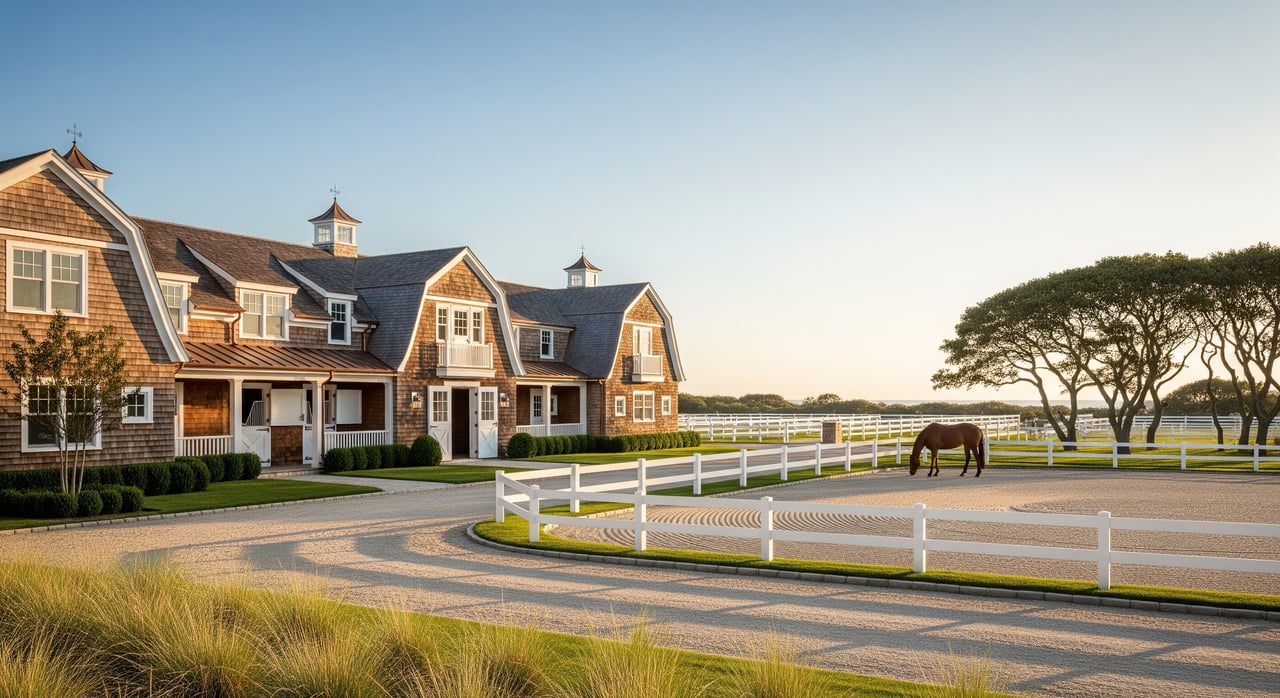
If you want access to a vibrant riding community along with the coastal Hamptons lifestyle, Bridgehampton is a compelling place to consider. You will see properties that range from small private barns to larger compounds with arenas and extensive turnout.
Know the rules before you act
Equestrian properties intersect with several layers of regulation. Understanding what is allowed on a specific parcel will save you time and protect value.
- Town of Southampton controls zoning, building permits, setbacks, lot coverage, and use categories. Private barns, commercial boarding, and lessons can fall under different rules.
- Suffolk County Department of Health Services oversees septic systems and well setbacks. Added barn bathrooms or staff areas can trigger capacity reviews.
- NYS Department of Environmental Conservation regulates wetlands and coastal zones in certain areas. Special permits can apply near regulated resources.
- FEMA flood zones affect building elevation and insurance if a parcel lies within a mapped floodplain.
- NYS Department of Agriculture and Markets provides Right to Farm guidance that may be relevant on agricultural parcels.
Start by confirming zoning, reviewing any conservation easements, and identifying whether the use is private, semi-commercial, or commercial. Commercial operations often need special permits, site plan review, parking plans, and documented waste handling.
Land and acreage: how much do you need
There is no single number that fits every horse and every parcel. As a very rough guide, many riders use 1 to 2 acres per horse for turnout and grazing. Your actual capacity depends on pasture quality, drainage, and how much you supplement with hay.
Smaller private setups can function on a few acres with careful paddock design and supplemental boarding off-site. Larger private or commercial stables often need 5 to 10 acres or more to support multiple paddocks, an arena, hay storage, and circulation for trucks and trailers.
Acreage is not only about size. Shape, topography, and access matter too. Narrow flag lots, steep grades, or wetlands can limit how much usable area you have for barns and paddocks.
Soils, drainage, and pasture health
Long Island soils tend to be sandy, which helps with drainage but may not hold nutrients well. You will want to evaluate how a property handles water across seasons and what it will take to maintain healthy turf.
- Request NRCS soil maps or any available soil tests. Look for signs of high water tables, winter puddling, or summer stress.
- Plan for pasture management. Many properties benefit from soil amendments and rotational grazing to avoid overuse.
- Expect engineered drainage for arenas and high-traffic areas. A proper sub-base, geotextile, and perimeter drains protect footing and reduce mud.
Good drainage is a value driver. It protects your horses, your footing, and your long-term maintenance budget.
Flood zones and coastal risk
Parts of Bridgehampton are low-lying or near coastal waters. If a property sits in a FEMA flood zone, you may face elevation requirements for buildings, additional permits, and higher insurance costs.
- Confirm the flood zone and Base Flood Elevation for the residence and outbuildings.
- Plan emergency access and animal evacuation for storm events.
- Understand that barns and arenas in or near regulated areas may face siting constraints.
A flood-aware due diligence process helps you avoid surprises with lenders, insurers, and construction timelines.
Water, wells, and irrigation
Many Hamptons properties rely on private wells. When horses are involved, water needs increase for domestic use, stock watering, and dust control in arenas.
- Ask for recent well tests that include bacteria and nitrates.
- Verify well depth, yield, and recovery rate.
- Plan for irrigation needs for pasture and arena maintenance.
Sufficient and reliable water capacity is essential to daily operations and animal welfare.
Septic and manure management
Barns, staff facilities, and guest uses can add wastewater flow beyond what an existing septic system was designed to handle. Upgrades may be required.
- Confirm septic capacity and review permits for any past or proposed changes.
- Map manure storage and composting areas with proper setbacks from wells and water bodies.
- Use containment and runoff controls to protect neighboring properties and wetlands.
A documented manure management plan is a smart selling point and can reduce neighbor concerns about odor and traffic.
Barn types and layouts that work
Most local stables fall into two common configurations: center-aisle and shedrow. Each has pros and cons for airflow, workflow, and space.
- Stall sizes commonly range from 10x10 to 12x12 for riding horses. Larger foaling stalls are often 12x12 to 14x14 or more.
- Plan for a secure tack room, separate feed room, wash stall, and an area for vet and farrier work.
- Safe hay storage is critical. Keep it dry, ventilated, and protected from pests.
- Focus on ventilation, natural light, and fire safety, including clear egress and access for emergency vehicles.
Thoughtful barn design increases safety, reduces daily friction, and supports better resale.
Paddocks and fencing you can trust
Turnout is the heartbeat of a horse property. The right layout supports rotation, rest, and easy access for equipment.
- Favor multiple smaller paddocks over a single large field. This makes rotation and horse management easier.
- Choose horse-safe fencing such as post-and-rail, vinyl, or high-tensile woven wire with good visibility. Electric tape or rope can subdivide temporarily.
- Confirm gate widths for tractors and delivery trucks. Good circulation prevents ruts and increases safety.
- Ensure proper base and slope to reduce mud and hoof issues.
Well-designed paddocks help preserve your land and your horses’ health.
Arenas and rings: footing and function
Outdoor arenas are common in Bridgehampton. Orientation, drainage, and footing matter for safety and ride quality.
- Site arenas for good sun and wind conditions with adequate runout space around the rail.
- Footing varies by discipline. Sand blends, sand with fibers, or rubber mixes all require periodic grooming and top-up.
- Indoor arenas are less common and require significant capital, but they allow year-round riding and are attractive to serious buyers.
Documented arena specs and maintenance records are helpful for valuation and marketing.
Support infrastructure you will use every day
Beyond stalls and turnout, you will want to evaluate how a property supports daily operations.
- Storage for hay, bedding, and equipment with rodent control and ventilation.
- Trailer access and parking, plus a safe turnaround.
- Adequate electrical capacity for lighting, heated water, and equipment.
- Biosecurity considerations, including isolation space and straightforward access for vets and farriers.
Small layout improvements can have an outsized impact on safety and efficiency.
Operating models and zoning implications
Your intended use drives what approvals you may need.
- Private use with a few personal horses typically faces fewer hurdles but still must meet setbacks and septic rules.
- Semi-commercial activity such as occasional lessons may require home occupation or special permits.
- Commercial boarding or lesson programs often need special use approvals, site plan review, parking and traffic plans, and wastewater upgrades. Always verify with the Town of Southampton.
Clarifying your plan upfront helps you select the right parcel and avoid delays.
Insurance and liability basics
Equine properties can carry different risk profiles than standard residences. Coverage should match your actual use.
- Barns, indoor arenas, and hay storage can affect premiums.
- If you host outside riders or board horses, consider equine liability and commercial general liability coverage.
- Sellers should assemble insurance history and any claim information where available.
The right policy mix protects you, your horses, and your guests.
Buyer due diligence checklist
Use this list to focus your pre-contract review and inspections.
- Zoning classification, permitted uses, and any limits on animal numbers or commercial activity
- Building permits and certificates of occupancy for barns, arenas, and outbuildings; copies of variances and any open violations
- Septic records, system capacity, and permits for past upgrades; recent perc tests if available
- Well depth, yield, and the latest water quality tests for bacteria and nitrates
- FEMA flood zone status, Base Flood Elevation, and any history of flooding
- Soil survey and any drainage or geotechnical reports for arenas and paddocks
- Boundary survey and any easements, conservation restrictions, or deed limitations
- Manure management plan and locations for storage or composting with setbacks from wells and waterways
- List of local service providers such as vets, farriers, hay suppliers, arena builders, fencing contractors, and manure removal companies
- For active boarding operations: business permits, parking and traffic plans, wastewater usage, and client records as appropriate
Seller preparation checklist
Strong documentation builds buyer confidence and supports pricing.
- Permits, surveys, and as-built drawings for barns and arenas
- Septic and well records, water test results, and any environmental studies
- Operational summary: stall count and sizes, turnout acreage, fencing type and age, arena dimensions and footing, hay storage capacity
- Recent improvements such as roof repairs, electrical upgrades, septic enhancements, arena resurfacing, and fence replacement with dates
- Clear legal status for any past or present boarding or lesson operations and confirmation that required permits are in place
- Highlights of proximity to the Hampton Classic and local equestrian organizations
- A vetted list of local service providers and contractors for smooth transition
Lifestyle benefits and tradeoffs
Owning a horse property in Bridgehampton offers privacy, open space, and direct access to a respected equestrian community. You can align your daily routine with riding schedules, lessons, and events.
There are tradeoffs to weigh. Maintenance is higher, from fence repair to pasture care. Seasonal weather, sandy soils, and water table variations affect footing and grazing. Neighbor relations and waste handling require steady attention.
When the fit is right, the payoff is a property that supports your lifestyle and holds appeal for future buyers who value the same features.
Value drivers to watch
Certain elements consistently influence desirability and pricing in this niche.
- Usable acreage and thoughtful site planning with room for rotation
- Drainage quality and engineered footing for arenas and high-traffic areas
- Documented permits, compliant septic capacity, and clean code history
- Well-planned barns with safe hay storage, wash stalls, and good ventilation
- Trailer access, parking, and clear emergency access routes
- Indoor arena or high-quality outdoor ring for year-round use by serious riders
If you are preparing to sell, present these elements clearly. If you are buying, prioritize them during due diligence.
Move forward with a seasoned advisor
Bridgehampton equestrian real estate blends land, buildings, and operations in one package. The right guidance helps you weigh regulatory details, site fundamentals, and daily function so you can act decisively.
If you are considering a purchase, you can benefit from local insight on micro-markets, off-market opportunities, and realistic operating costs. If you are preparing to list, design-forward presentation, accurate documentation, and targeted outreach will elevate buyer confidence and protect value.
Ready to tour or position your equestrian property in Bridgehampton? Connect with Deborah Srb for discreet, design-led representation and neighborhood-level guidance.
FAQs
How much land is needed for horses in Bridgehampton?
- Many owners use 1 to 2 acres per horse as a rough guide, but true capacity depends on pasture quality, drainage, and supplemental feeding.
Can I run a boarding business at a Bridgehampton home?
- Possibly, but commercial uses usually require special permits, site plan review, and parking and wastewater plans through the Town of Southampton.
What permits are required to build a barn or arena in Bridgehampton?
- You will need building permits and, in regulated areas or for commercial use, additional approvals such as special permits or site plan review.
What environmental risks should I evaluate near the coast?
- Check FEMA flood zones, wetland constraints, water table conditions, and potential nutrient runoff from manure to protect your land and comply with rules.
How should I handle manure to avoid neighbor issues?
- Use containment or composting with runoff controls, maintain vegetated buffers, and schedule regular removal to manage odor and traffic effectively.