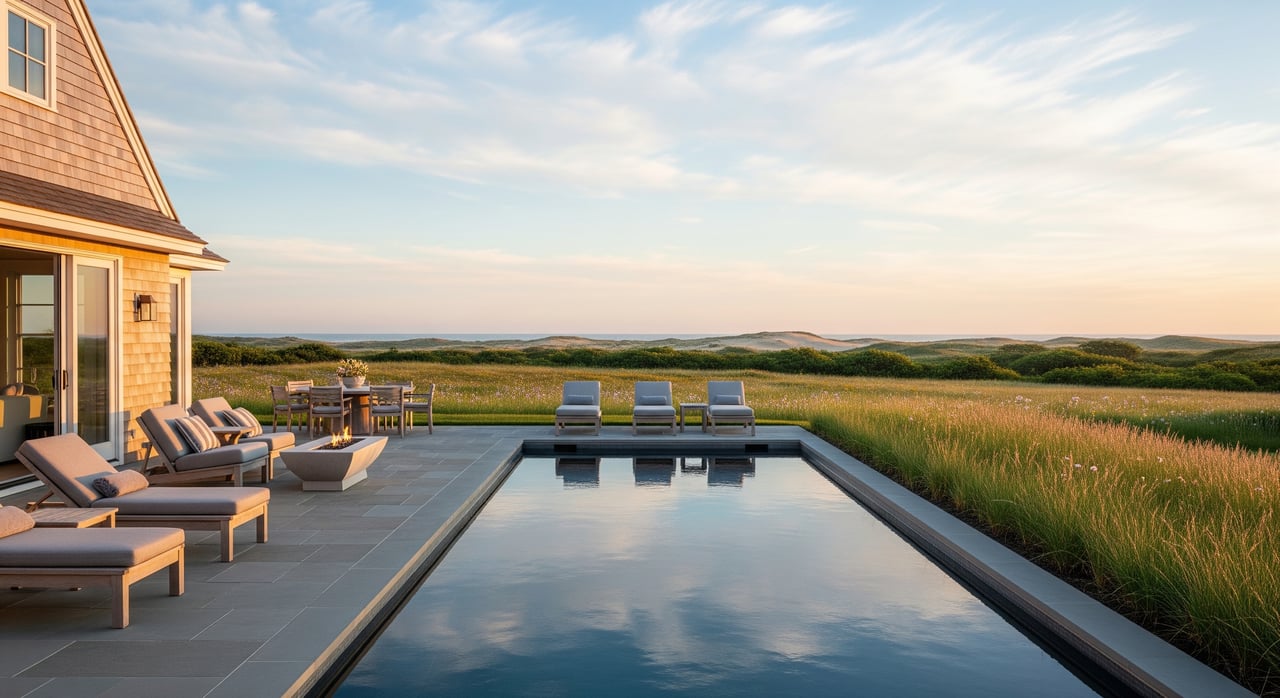
What draws you to a place where the ocean meets a patchwork of fields and big open sky? If you are imagining quiet mornings, long lanes, and a home that feels like its own world, Sagaponack may be your fit. You will get a clear picture of daily life, the types of properties available, and what to know about permits, insurance, and logistics before you buy. Let’s dive in.
Sagaponack at a glance
Sagaponack is a low-density village on the South Fork within the Town of Southampton in Suffolk County. The landscape balances coastal dunes, working farmland, and quiet residential lanes. The year-round population is small, and summers bring a larger seasonal community that sets the rhythm for services and activity. For dining, shopping, and cultural life, you often look to nearby Bridgehampton, East Hampton, and Sag Harbor.
Daily life in Sagaponack
Mornings often start with beach walks along the Atlantic shoreline or a jog on rural roads lined with hedgerows. Daytime may include a stop at local farm stands, a vineyard visit, or time at equestrian facilities on private grounds. In summer, you notice a hum of activity from caretakers and crews that keep estates running smoothly. Evenings can be low-key dinners nearby or private entertaining on terraces with sunset views that shift by location, from bays to the ocean horizon.
The homes you find here
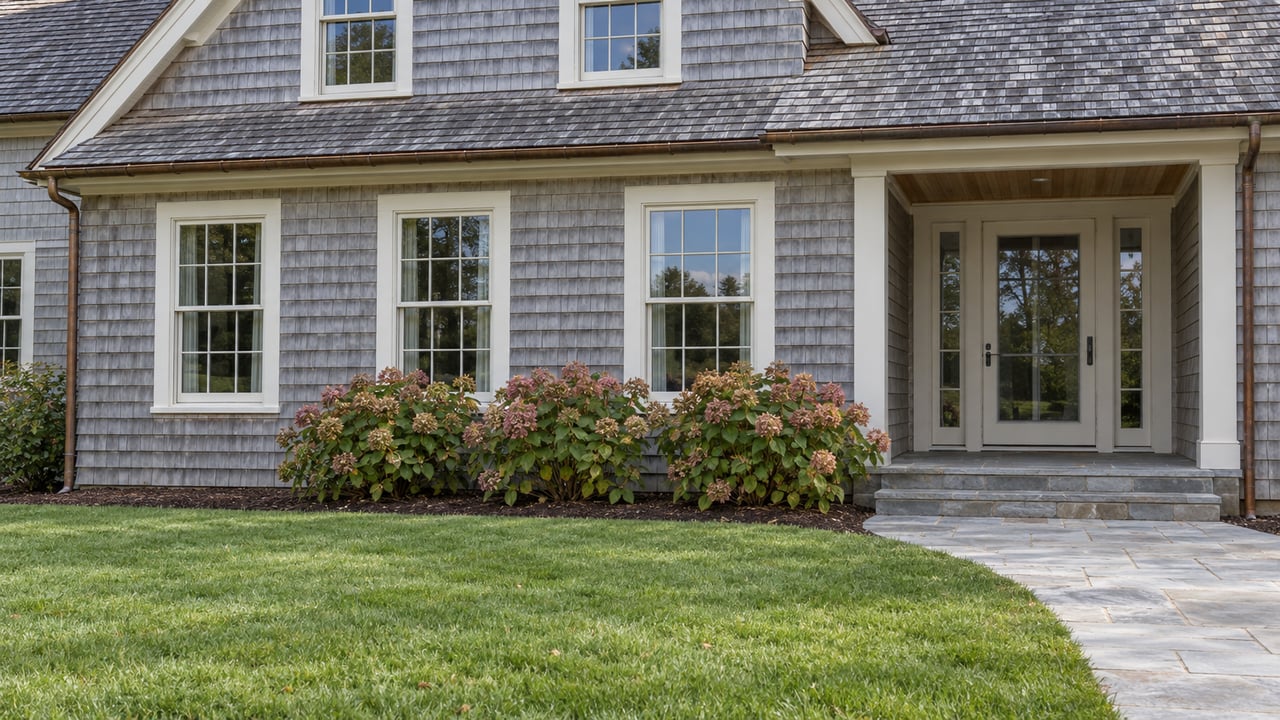
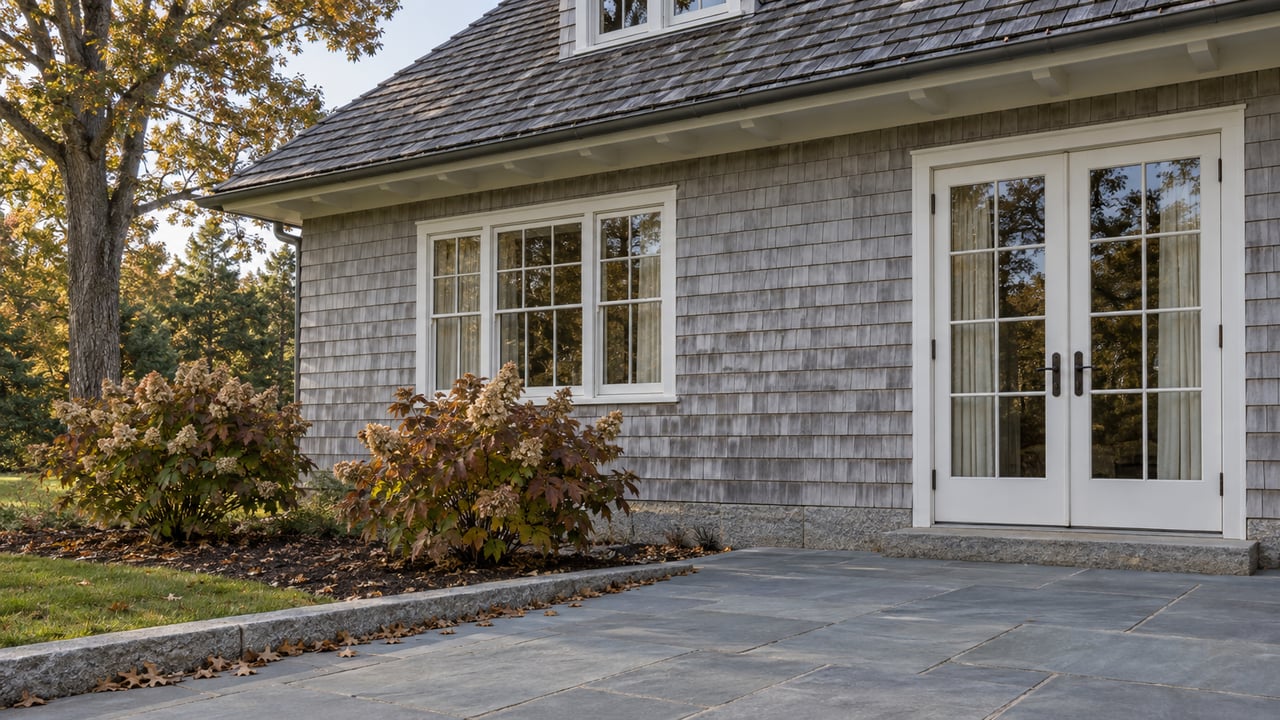
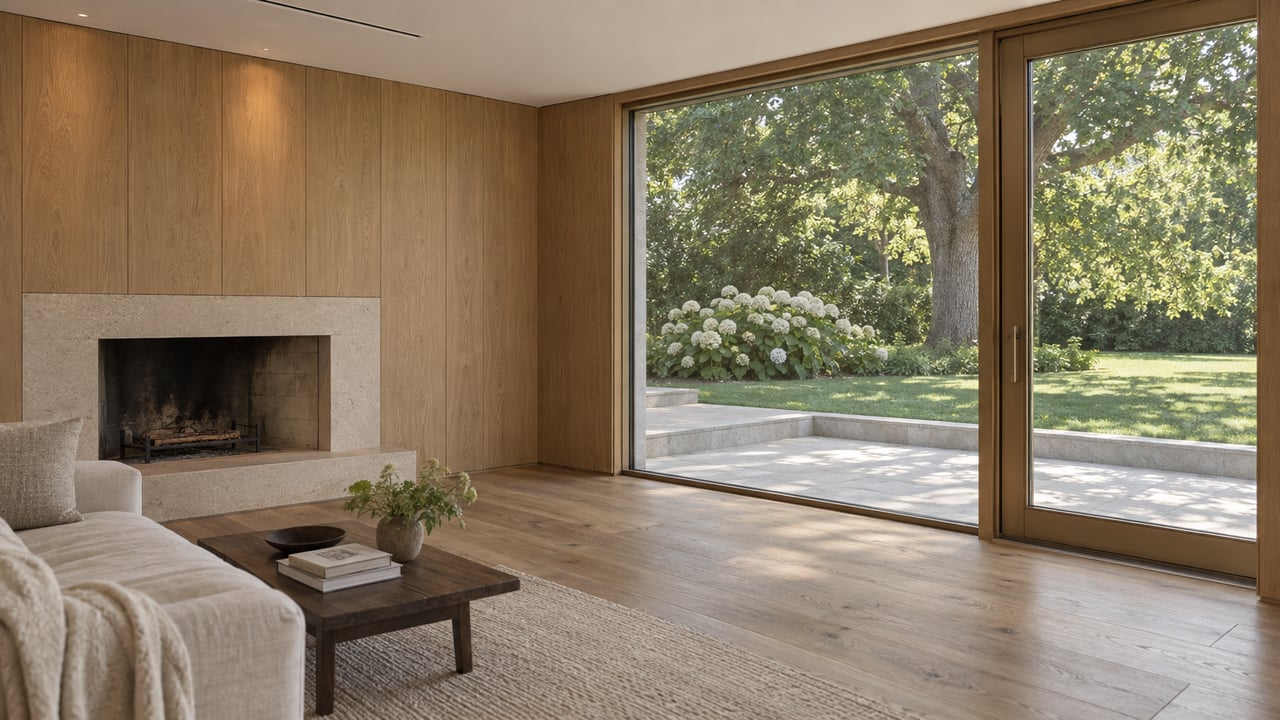
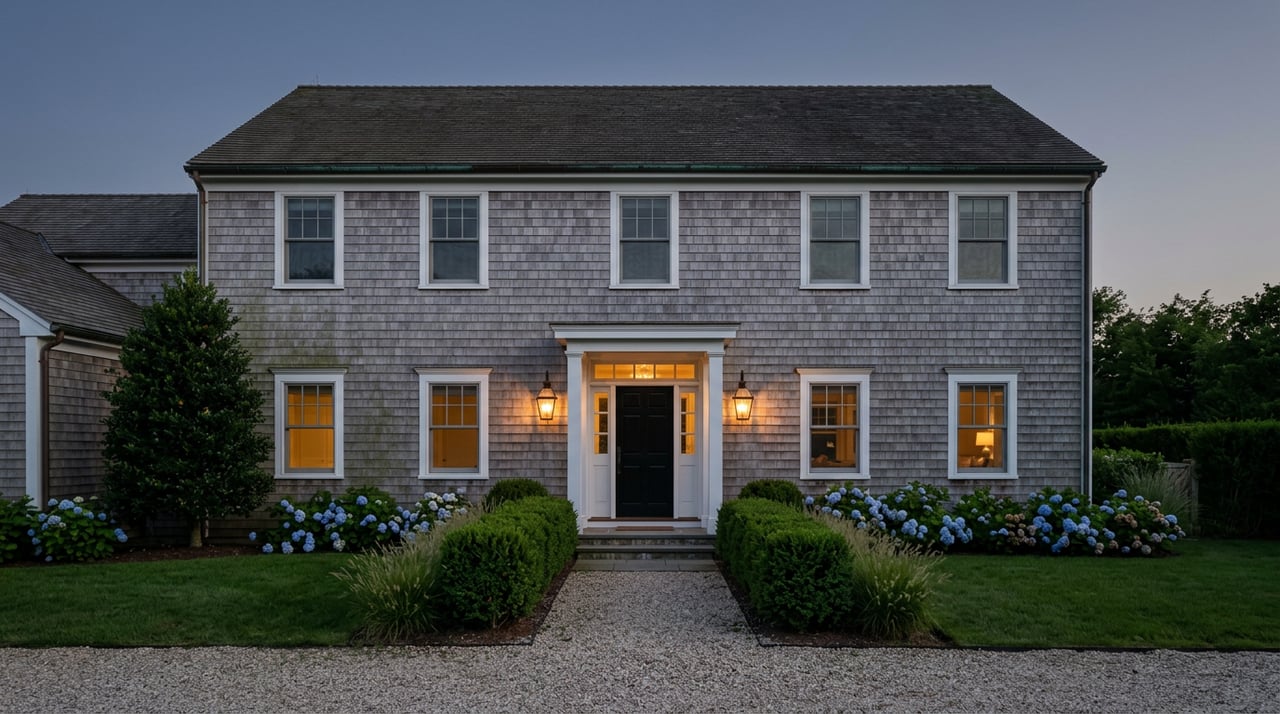
Sagaponack is considered an ultra-prime Hamptons market. Properties tend to be multi-million-dollar estates on generous lots. You see a mix of renovated historic farmhouses, classic shingle styles, and bespoke modern architecture with glass, stone, and high design.
Common features include main houses paired with guest spaces, heated pools and pool houses, private tennis or pickleball courts, and curated gardens. Many properties emphasize privacy with long driveways, mature hedges, and gated entries. On the water, some sites offer ocean views, dune frontage, bay access, or deeded pathways to the beach, depending on the parcel. Always verify whether beach access is public, private, or deeded for a given property.
How the market behaves
Buyers often come from New York City and other major hubs looking for space, proximity to beaches, and a farm-to-table, equestrian-leaning lifestyle. Inventory often includes renovated homes, architect-designed new construction, and quiet or off-market offerings for privacy-minded clients. Seasonality matters, with more activity in spring and summer and a calmer pace in winter. For fine-grained pricing trends, time on market, and inventory checks, review current Hamptons market reports from established brokerages or speak with a local advisor.
Access and getting around
You reach Sagaponack by Montauk Highway and local roads. Travel times vary widely with traffic, especially in peak summer; many reference 2 to 3 hours from Manhattan in normal conditions. The Long Island Rail Road’s Montauk Branch serves nearby stations such as Bridgehampton and Southampton, and schedules can shift seasonally. If you plan to use rail, confirm current service and connections.
Practical buyer checklist
Buying in Sagaponack is as much about due diligence as it is about design. Use this checklist to frame your process.
Zoning and permits
- Coastal areas may fall within FEMA-designated flood zones; lenders often require flood insurance for Special Flood Hazard Areas.
- Building near dunes, wetlands, or tidally influenced areas can trigger permits from New York State, the Town of Southampton, and sometimes federal authorities.
- Setbacks, height limits, and design constraints can vary, especially near sensitive coastal or agricultural zones. Confirm with the village and town before you plan work.
Beach and water access
- Access differs by parcel. Some properties include deeded beach paths or HOA easements; others rely on public access with seasonal parking rules.
- Verify exactly how you reach the beach, where you can park, and any guest restrictions.
- For waterfront or dune-side sites, review rules affecting stairs, walkways, bulkheads, or dune restoration.
Septic, water, and utilities
- Much of the South Fork uses on-site wastewater systems rather than centralized sewers. Some watersheds require advanced treatment systems designed to reduce nitrogen.
- Confirm the system type, age, and any upgrade requirements that could affect timelines and budgets.
- Check utility availability for electric, cable or fiber, water, and propane or gas. Ultra-rural parcels may need alternate solutions.
Taxes and carrying costs
- Property taxes are set by Suffolk County and the Town of Southampton and vary by parcel. High-value properties generally carry substantial annual taxes.
- Plan for higher coastal insurance premiums. Wind and flood policies are separate from standard homeowners insurance.
- Budget for grounds and pool care, security, off-season maintenance, and potential on-site staff or caretakers.
Agricultural context and easements
- Sagaponack’s farms and preserved lands shape its open vistas.
- Some parcels carry agricultural easements or sit within agricultural districts. Understand how those limits affect land use and nearby activity.
- Expect normal agricultural operations in season, including early-morning work and equipment on rural roads.
Privacy, security, and neighborhood protocols
- Many estates feature gates and hedges, but local rules can limit height or sightlines.
- Historic areas, HOAs, or neighborhood covenants may set design or landscaping standards.
- Confirm any security features you plan to add, including cameras, lighting, and guard services, meet local codes.
Lifestyle anchors nearby
Beaches and water
Atlantic-facing beaches define the coastline, with parking and permits managed seasonally. Some properties have private or deeded access, while others use public access routes. For bay activities, you can find launching points and calm-water options a short drive away.
Farms, stands, and vineyards
Working farms and seasonal stands supply fresh produce and flowers that shape daily routines. Vineyards nearby add tasting and event options. The farm-to-table culture runs deep and pairs easily with private entertaining at home.
Equestrian and outdoor recreation
You see equestrian facilities on private estates, plus riding centers and polo in the wider South Fork. Quiet lanes support running and biking, and many homes have tennis or pickleball courts. The open-sky landscape sets a peaceful tone year-round.
Dining, shopping, and culture
For restaurants, galleries, shopping, and summer events, you look to Bridgehampton, East Hampton, and Sag Harbor. Seasonal shifts are real. Winters are quieter with fewer open venues, which makes home life and thoughtful property services even more central.
Buying with confidence in Sagaponack
A strong plan turns a dream setting into a smooth purchase. Define your priorities first. Decide how you value ocean proximity versus farmland vistas, how much privacy you need, and whether equestrian facilities or guest accommodations are essential. Then frame feasibility around flood maps, septic requirements, and any coastal permits.
A seasoned local advisor helps you calibrate these choices with off-market access, design-literate guidance, and a network of inspectors, attorneys, and permitting specialists. Presentation and layout matter in Sagaponack, where gardens, sightlines, and indoor-outdoor flow drive both enjoyment and long-term value. The right team will help you see what can be enhanced and what should remain untouched to protect the site’s character.
How Deborah elevates your search
With more than three decades in the Hamptons and a design-forward approach, Deborah brings a boutique, highly curated lens to Sagaponack. You get neighborhood-level intelligence on siting, setbacks, and lifestyle fit, plus a clear read on off-market and quiet opportunities. Her team collaborates with stagers, architects, and trusted contractors to help you visualize improvements and prepare bids with accurate timelines.
If you are selling, you benefit from elevated presentation, targeted pre-market outreach, and discreet placement that meets buyers where they are seasonally. If you are buying, you receive confidential previews, context on beach access and environmental factors, and a roadmap for permits and upgrades. For seasonal income, Deborah also advises on premium rental positioning within local rules and norms.
Next steps
- Clarify your essentials: oceanfront or farm adjacency, number of suites, guest or staff quarters, and sport amenities.
- Outline practical constraints: flood mapping, septic upgrades, landscape privacy goals, and potential coastal permits.
- Decide how you will use the home in winter and summer so services and layouts align with your rhythms.
- Set a timeline to tour in person. Many properties show best with the right light and tide.
When you are ready for a quiet, informed search in Sagaponack, connect with a trusted local advisor. Work with Deborah Srb for curated access, design-led guidance, and calm execution from first viewing to close.
FAQs
What sets Sagaponack apart in the Hamptons?
- It is a low-density village in the Town of Southampton known for farmland, dune-backed beaches, and estate-scale properties that prize privacy and open vistas.
How does beach access work for Sagaponack homes?
- Access varies by parcel and may be public, private, or deeded; always verify the deed, easements, and seasonal parking rules before you buy.
Do Sagaponack properties face coastal flood risks?
- Some coastal parcels may be within FEMA flood zones; lenders often require flood insurance in Special Flood Hazard Areas, so review current flood maps for each site.
Can I renovate or build near the dunes or wetlands?
- Work near dunes or tidally influenced wetlands typically requires permits from New York State, the Town of Southampton, and sometimes federal agencies; confirm constraints early.
What features are typical of luxury estates here?
- Expect generous acreage, guest spaces, heated pools and pool houses, private courts, landscaped privacy, and high-end kitchens and systems tailored to indoor-outdoor living.
How practical is Sagaponack in winter for second-home owners?
- Winters are quieter with fewer open venues, so plan for property services, winterization, and reliable utilities if you intend to use the home year-round.
What are typical travel options to Sagaponack?
- Most owners drive via Montauk Highway and local roads, with variable travel times; the LIRR Montauk Branch serves nearby stations for an alternate route, especially in peak season.