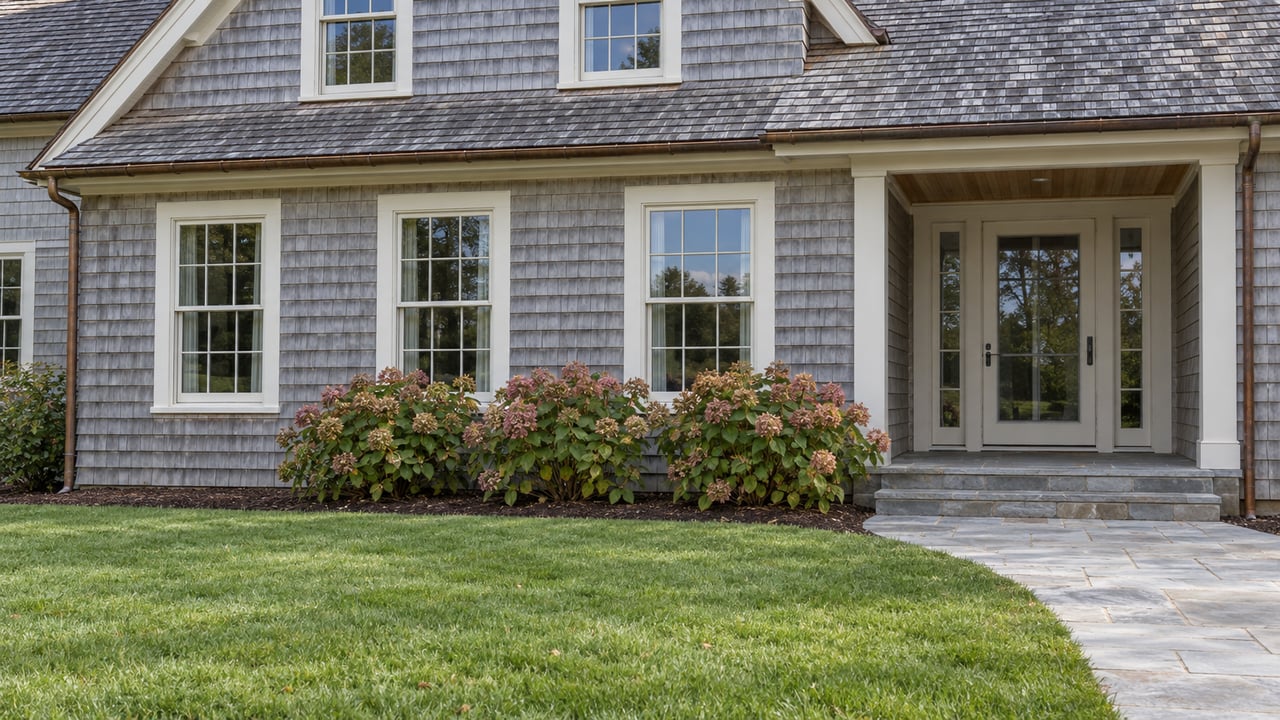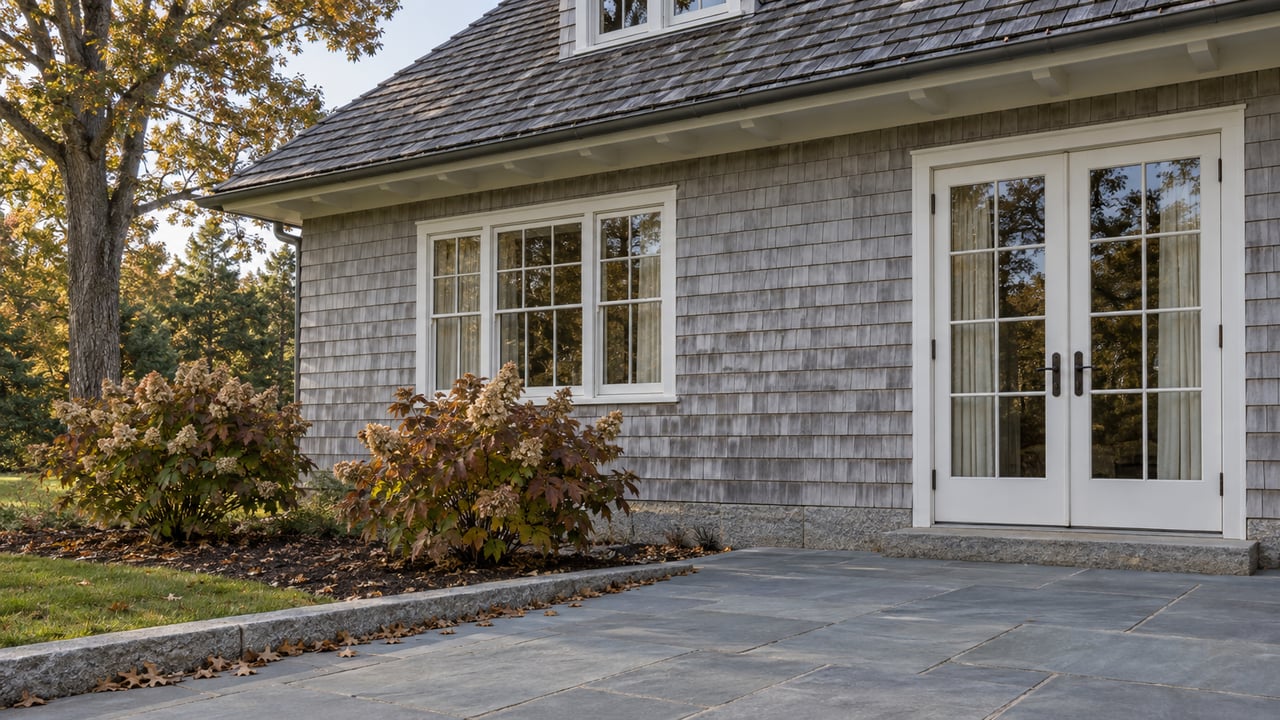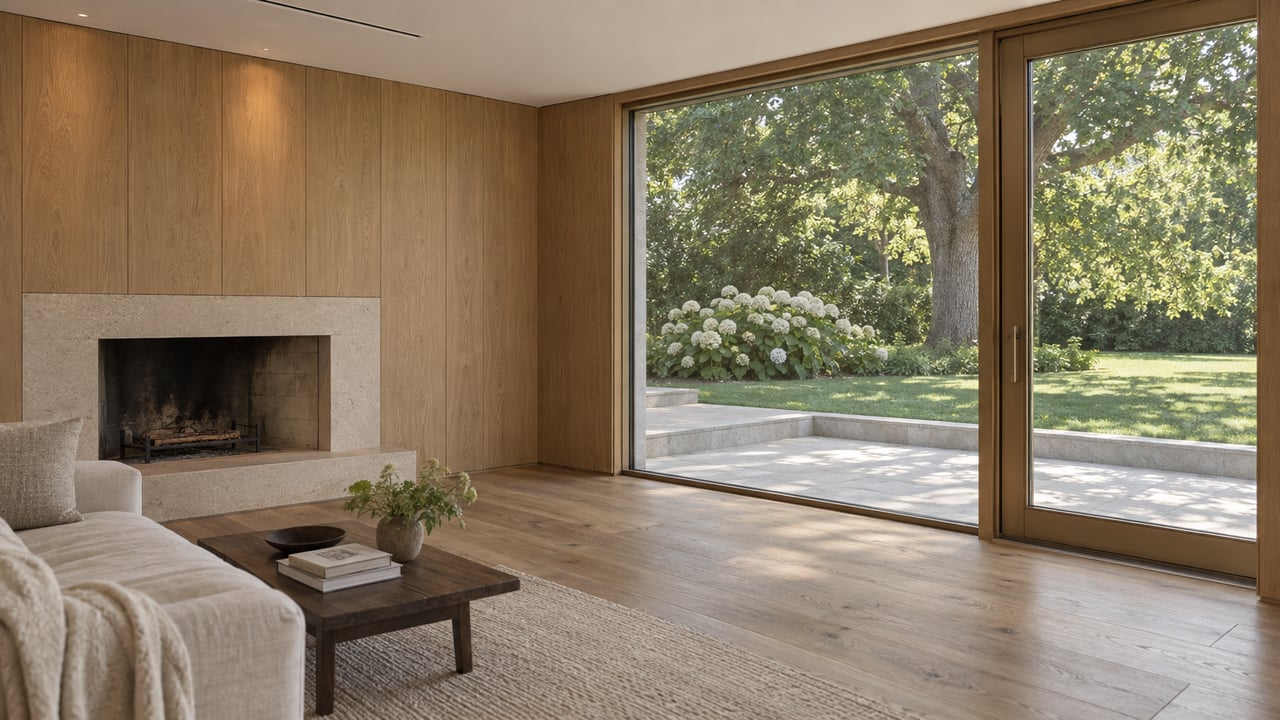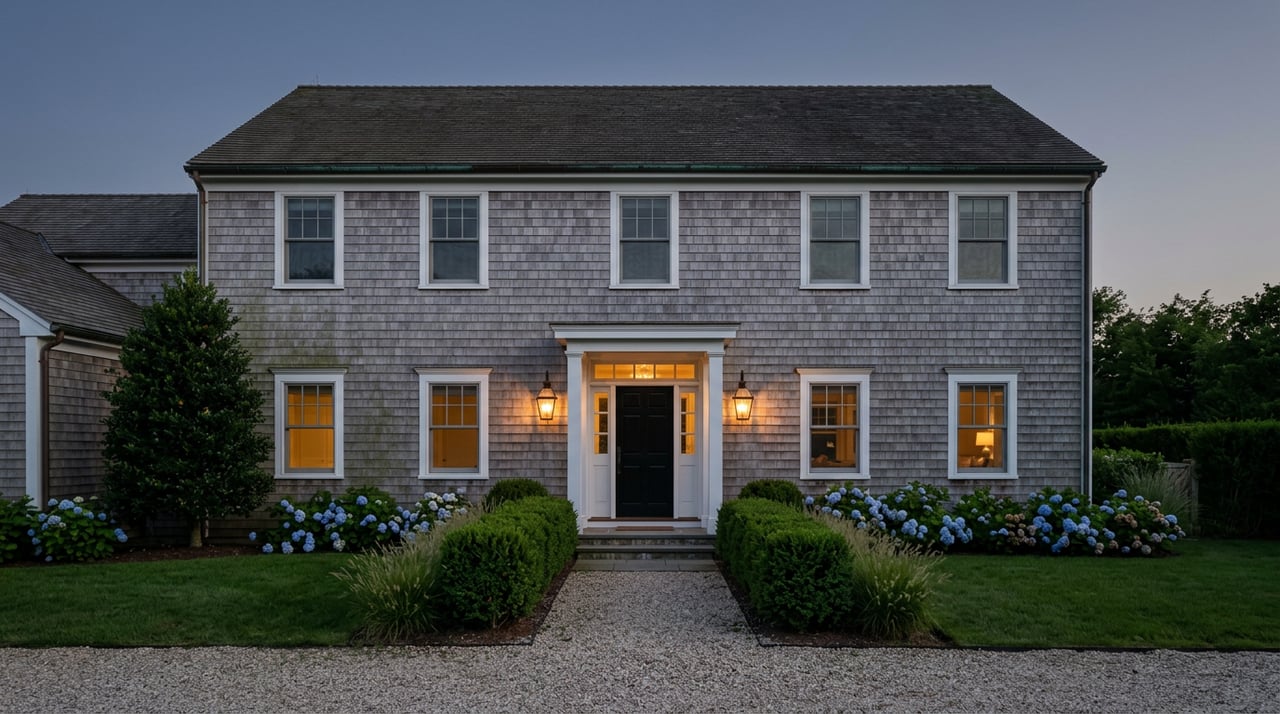
If you picture East Hampton as one single lifestyle, you may end up searching in the wrong place. In reality, your daily routine can feel very different depending on whether you live near the Village, in a larger-lot section, close to preserves, or near the bay and harbor side. Understanding those distinctions can help you choose a home that fits how you actually want to spend your time. Let’s dive in.
East Hampton Is a Collection of Lifestyles
East Hampton is best understood as a set of distinct pockets rather than one uniform market. The Village history notes that the settlement still reflects its 1648 layout, with Main Street as the old common and later development extending along Ocean Avenue, Lily Pond Lane, and the Eastern Plain.
That early pattern still shapes life today. It helps explain why one area supports a walkable, social routine, while another feels more private, car-oriented, or nature-focused. It also matters that the Town and Village operate separate beach and permit systems, which can influence how easily you use certain amenities day to day.
Near-Village Living Feels Walkable
If your ideal day includes coffee, errands, dinner reservations, and beach time in a relatively compact radius, the streets near the Village core are often the strongest fit. This is the part of East Hampton where daily life can feel the most connected and social.
A clear sign of that lifestyle is the Village’s free summer Circuit service, which links the LIRR station, Jitney stop, Main Street, Main Beach, and local hotels and restaurants. In practical terms, that supports a more car-light summer rhythm, especially when you want flexibility around shopping, dining, or meeting guests.
The nearby residential lanes also reflect East Hampton’s historic growth pattern. According to the Village history page, development spread along Ocean Avenue and Lily Pond Lane, with later streets including Huntting Lane, Dunemere Lane, Fithian Lane, The Circle, David’s Lane, Pondview Lane, Dayton Lane, Meadow Way, and Mill Hill Lane.
For many buyers, this translates into a routine with more spontaneous movement. You may find it easier to combine a morning walk, lunch in town, and time by the ocean without planning the entire day around driving.
Beach Access Matters in the Village
In this pocket, beach access is part of everyday decision-making. The Village has five beaches: Georgica, Main, Wiborg, Egypt, and Two Mile Hollow, and the Village requires permits for its beaches, with vehicle access restricted from 9 a.m. to 6 p.m. from May 15 through September 15, according to the Village beaches page.
That means your routine may depend less on simply owning a beach chair and more on understanding permit rules, timing, and access logistics. For some buyers, that is a natural trade for being close to the Village center and ocean beaches.
Historic Character Shapes the Experience
Near the Village, architectural character is especially visible. The Village has four historic districts, and exterior changes within those districts require a Certificate of Appropriateness.
If you are drawn to older homes and established streetscapes, this can be part of the appeal. The National Register listing for the North Main Street Historic District includes Federal, Greek Revival, and Late Victorian styles, which gives you a good sense of the architectural language present nearby.
Estate Sections Prioritize Space and Privacy
If your ideal routine centers more on your property than on nearby storefronts, East Hampton’s estate sections and larger-lot pockets may feel more natural. These areas tend to emphasize separation, scale, and a stronger balance between house and land.
The Village history explains that the Eastern Plain’s large agricultural lots were suited to sizable estates. Current zoning reinforces that sense of scale. In the Village code, residential districts include R-160, R-80, R-40, and R-20, with minimum lot sizes of 160,000, 80,000, 40,000, and 20,000 square feet, respectively, as outlined in the Village zoning code.
Setbacks also increase as lot sizes grow. That is one reason these pockets often feel less street-oriented and more buffered from neighboring properties.
For you as a buyer, that usually suggests a different daily pattern. Your time may revolve more around the house, grounds, pool, garden, and planned car trips than around walking into town for quick errands.
Larger Lots Change the Pace
The Town’s zoning framework shows a wide range of parcel scales, from 425,000 square feet in A10 districts to 20,000 square feet in B districts. The code also caps a single-family residence at 7% of lot area plus 1,500 square feet, or 10,000 square feet, whichever is less, according to this Town planning document.
These rules matter because they shape how homes sit on the land and how much breathing room surrounds them. In everyday terms, estate living in East Hampton often feels quieter, more self-contained, and more focused on private outdoor use.
Renovation Can Involve Added Review
If you are considering updates, expansions, or design changes, review matters as much as lot size. Even in larger-lot areas within the Village, properties in historic districts may need additional oversight through the Village historic services process.
For design-minded buyers, that is not necessarily a drawback. It simply means the path from vision to finished product may require more planning.
Wooded Pockets Support Nature-First Routines
Some parts of East Hampton feel less centered on town life and more connected to trails, woods, and open space. If your idea of a good day includes walking, biking, birding, or a quieter setting, preserve-adjacent areas can shape your routine in a meaningful way.
The Town offers several strong examples. Grace Estate Preserve spans more than 500 acres of water and woods with trails and Northwest Harbor views. Springs Park is described in the research as a 42-acre passive recreation area, and Buckskill Meadow Preserve includes an ADA trail, disc golf, a barn, and wooded oak-and-pine terrain with meadow areas.
These surroundings often support a calmer, lower-traffic feel. Instead of building your day around Main Street, you may build it around fresh air, open land, and recurring outdoor habits.
Trails Influence Everyday Use
The Town’s Paumanok Path information says the East Hampton segment is about 45 miles long and begins with oak-pine forests in Northwest Woods and beech forest in the Stony Hill area before reaching coastal dunes and estuaries.
That description gives useful context for what living nearby can feel like. It points to a routine where walking, biking, dog-walking, and time outdoors may become a more regular part of daily life than dining or shopping in the Village core.
Quiet Often Comes With Different Trade-Offs
Buckskill Meadow Preserve is a good example of the character of these pockets. The Town notes that the preserve is surrounded on all other sides by private property, that much of it is wooded, and that the area is intended for passive recreation with carry-in, carry-out use, according to the Buckskill Meadow Preserve page.
For many buyers, that setting feels restorative. At the same time, it may mean a routine that is intentionally less retail-oriented and more home-and-landscape focused.
Bay-Side Areas Offer a Different Shoreline Rhythm
East Hampton’s bay-adjacent and harbor-side pockets create a shoreline experience that is distinct from the ocean beach pattern. If you prefer calmer water, launching access, picnics, or a more low-key waterfront day, these areas may align better with how you like to live.
The Town highlights several destinations that shape this routine. Maidstone Park and Beach offers a lifeguarded bay beach, picnic pavilion, grills, ballfield, and playground. The research also notes harbor-side or bay access at Louse Point, Sammy’s Beach, Fresh Pond, and Gerard Drive Park Beach.
That mix of amenities suggests a shoreline lifestyle centered on launching, fishing, picnicking, and nature walks more than a full-service ocean-beach routine. For some households, that feels easier, calmer, and more flexible for everyday use.
Access Rules Still Matter
As with Village beaches, rules and permits help define how these areas function. The Town’s beach driving guide says beach driving applies outside state and county parks and the Villages of East Hampton and Sag Harbor, requires a valid Town permit, and includes year-round prohibitions at Louse Point and Maidstone Park.
This is important if your waterfront routine includes gear, launching, or driving access. The best fit is often not just about water views, but about how you actually plan to use the shoreline.
How to Match the Right Area to You
The simplest way to think about East Hampton is this: the Village core tends to feel social and walkable, estate sections tend to feel spacious and private, wooded pockets tend to feel quiet and trail-oriented, and bay-adjacent areas tend to support low-key shoreline access.
None of these patterns is inherently better than another. The right choice depends on whether you want your day shaped by restaurants and beach stops, private grounds and entertaining, preserve access and quiet, or easier bay-side recreation.
That is where neighborhood-level guidance becomes especially valuable. In East Hampton, small geographic differences can change your routine more than buyers expect, especially when beach systems, zoning, historic review, and access patterns all come into play.
If you are weighing where in East Hampton your lifestyle fits best, working with an advisor who understands these micro-markets can save time and sharpen your search. Deborah Srb offers a thoughtful, design-aware perspective on Hamptons living, with the local nuance to help you align the right property with the way you want to spend your days.
FAQs
What part of East Hampton feels most walkable for daily life?
- The Village core and nearby streets generally feel most walkable because Main Street, the summer Circuit, and Village beaches are clustered in a compact area.
What kind of East Hampton area feels most private?
- Estate sections and larger-lot pockets usually feel the most private because zoning minimums and larger setbacks create more separation between homes.
What East Hampton areas suit a nature-focused routine?
- Wooded and preserve-adjacent pockets near places like Grace Estate Preserve, Springs Park, and Buckskill Meadow Preserve tend to support a more trail-oriented, quiet routine.
What East Hampton areas fit bay access and launching?
- Bay-adjacent and harbor-side pockets near Maidstone Park, Louse Point, Fresh Pond, and Gerard Drive are better aligned with launching, picnics, and calmer-water shoreline use.
What should buyers know about East Hampton beach access rules?
- Buyers should know that the Village and Town have separate systems, and permits, vehicle rules, and seasonal restrictions can affect how you use beaches in different parts of East Hampton.