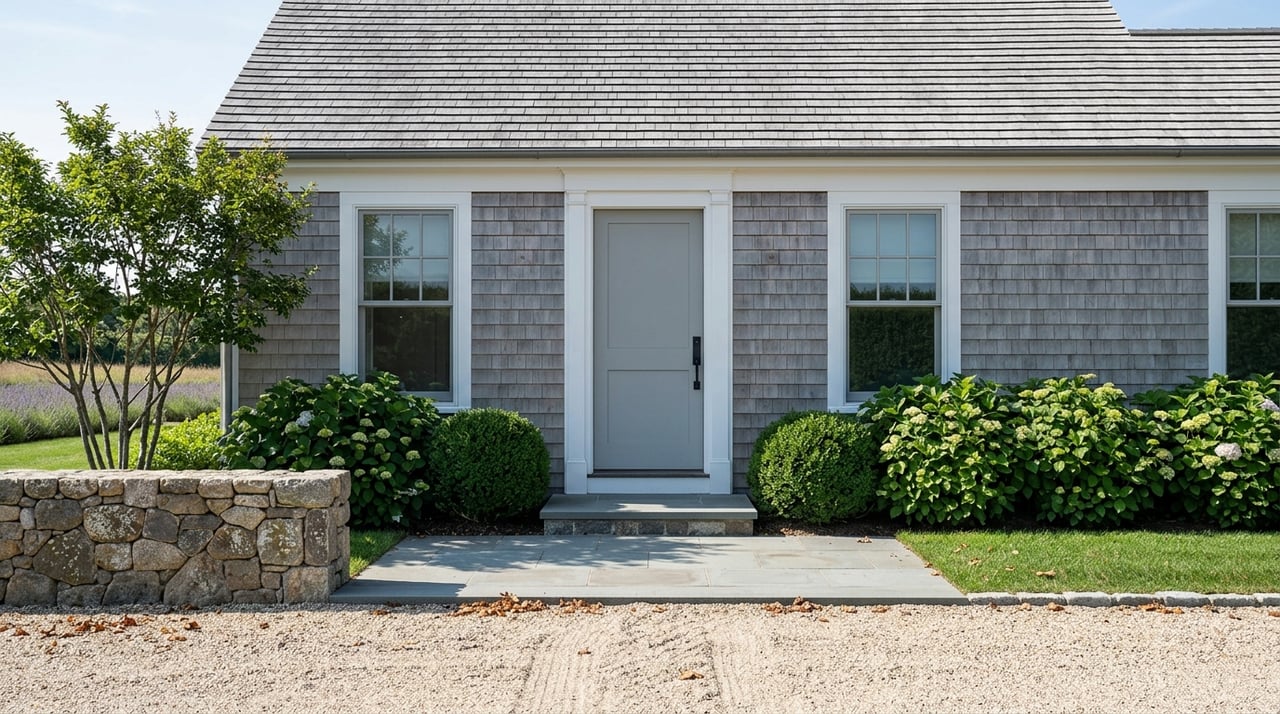
If you are comparing homes in Bridgehampton, one detail can change almost everything: the lane. A property near the hamlet center, a home beside open farmland, and an address closer to the ocean can each deliver a very different daily experience, even within the same market. Understanding those differences helps you focus your search, set realistic expectations, and tour with a sharper eye. Let’s dive in.
Why Bridgehampton Lanes Matter
Bridgehampton is a South Fork hamlet in the Town of Southampton, bordered by Water Mill, Noyac, Sagaponack, and the Atlantic Ocean. Town documents describe its identity as being shaped by rural character, historic buildings, open space, and farmland, which is why pocket-level analysis matters so much here. In a market where the Q4 2025 median close price in Bridgehampton reached $5.63 million, broad averages only tell part of the story.
Town planning materials also note that Bridgehampton’s hamlet center still reflects development patterns from the 17th and 18th centuries. The historic center sits around Triangular Common at Montauk Highway, Ocean Road, and Sag Harbor Turnpike, which helps explain why local buyers often think in terms of three distinct living environments: the village core, the farm lanes, and the ocean-side roads.
Village Core Explained
In Bridgehampton, “village” usually refers to the hamlet center rather than a separate incorporated village. This area has the closest thing to a traditional small-town main street, with a compact layout, historic character, and homes that can sit within a short walk of shops and daily conveniences.
According to a Southampton Town study of the hamlet center, the area north of Montauk Highway between Lumber Lane and Corwith Road has uniform setbacks and mostly one- and two-story wood-and-brick buildings. Main Street is framed by retail, civic, religious, and historic buildings, while nearby residential blocks include a mix of modest to large 19th-century homes and late-19th-century summer houses.
What daily life feels like
If you want the most walkable version of Bridgehampton, this is usually it. The hamlet center offers proximity to Main Street retail, Bridgehampton Commons, the library, museums, churches, and the Bridgehampton LIRR stop. Town planning also references park-and-walk circulation and off-street parking improvements, which is a helpful reminder that traffic and parking are part of the experience in the core.
This area may appeal to you if you value convenience, historic setting, and easy access to local destinations over the feeling of a secluded estate. Nearby cultural anchors include the Dan Flavin Art Institute, the South Fork Natural History Museum, the Bridgehampton Museum, and the Children’s Museum of the East End, all noted in the town’s hamlet profile.
What homes are like here
Homes in the village core are usually not defined by vast acreage. Instead, you are more likely to see older cottages, renovated traditional houses, and historic-style residences near the center. Even so, the pricing can still be firmly in luxury territory.
A School Street home one block from Main Street sold for $3.51 million and illustrates an important Bridgehampton truth: walkability does not mean entry-level pricing. In this pocket, buyers are often paying for location, charm, and convenience wrapped into a smaller-scale setting.
Farm Lanes Explained
The farm-adjacent lanes reflect Bridgehampton’s agricultural identity more than any other pocket. Southampton Town documents explain that the Agricultural Overlay District was created to protect highly productive Bridgehampton and Haven soils, and those preserved lands continue to shape the look and value of the area.
This is where Bridgehampton’s rural character becomes most visible. Sweeping field views, open skies, and the transition between built streets and agricultural land all contribute to a setting that feels spacious and deeply tied to the hamlet’s historic landscape.
What daily life feels like
The practical difference here is often land and separation. The town profile says Bridgehampton residential areas are characterized by large lots, landscaped yards, established trees, and a lack of a street grid, with roads often ending in cul-de-sacs. That pattern creates a more auto-dependent environment and a stronger sense of privacy.
Planning documents point to streets such as Snake Hollow Road, Corwith Road, Lumber Lane, Mitchell Lane, and Narrow Lane as examples of where developed properties and farm-related parcels sit close together. If you are drawn to long driveways, broad lawns, and a more estate-like rhythm, this pocket may feel especially compelling.
What homes are like here
The housing pattern supports an estate-heavy feel. The town profile estimates that 97% of Bridgehampton housing units are single-family and that 47.1% have four or more bedrooms. In practical terms, this is often the part of Bridgehampton where buyers are paying for land first and house second.
Typical homes on these lanes can include renovated farmhouses, large single-family estates, barn conversions, and newer construction on former or existing agricultural parcels. Public listings show the range clearly, from 120 Halsey Lane, marketed at $24.995 million as a legacy estate in Bridgehampton’s farm country to 201 Lumber Lane, described in public marketing as a renovated farmhouse on a landscaped acre.
Why buyers choose this pocket
You may prefer the farm lanes if privacy, grounds, and visual openness matter more to you than being able to walk to Main Street. The value here often comes from lot size, preserved-field adjacency, and the sense of breathing room that is harder to replicate closer to the commercial core.
In this pocket, “view value” often means open land, protected-looking vistas, or distant orientation rather than direct water frontage. That can create a very different kind of luxury, one rooted in calm, scale, and landscape.
Ocean Roads Explained
The ocean side of Bridgehampton generally centers south of Montauk Highway, especially around Church Lane and Ocean Road. This part of the hamlet is shaped by beach access, water orientation, and the seasonal rules that come with living near some of the area’s most sought-after shoreline.
Southampton Town identifies Ocean Road as a permit-only access road, and its beach information notes that town beach permits are required from May 15 through September 15. Daily permits are not valid at access roads and unprotected waterfronts, so access logistics matter here in a very practical way.
What daily life feels like
If your ideal Bridgehampton lifestyle includes quick access to the beach, this pocket can be especially attractive. But proximity alone is not the whole story. The specific road, parking rules, and type of beach access can shape how easy that lifestyle feels during peak season.
For example, Mecox Beach is a town bathing beach with ocean shoreline, lifeguards, restrooms, showers, volleyball, and 111 parking spaces. W. Scott Cameron Beach, also noted by the town, is residents only and accepts full-season permits but not daily parking. Those distinctions can affect how you use the area from one property to the next.
What homes are like here
Ocean-side homes are often larger and more view-driven than those in the village core. You may see modern bayfronts, traditional summer houses, and renovated estate properties where the premium is closely tied to water orientation and beach access.
Public market snapshots support that pattern. A Dune Road property was marketed as a Memorial Day-to-Labor Day rental at $225,000 and emphasized bay, ocean, and sunset views plus a private dock, while research notes also reference an Ocean Road estate sale at $10.8 million in late 2024.
Why buyers choose this pocket
You may gravitate to the ocean side if beach access and water views are high on your list. For some buyers, that lifestyle is worth the trade-offs that can come with seasonal traffic, permit rules, and more exposure to road or waterfront conditions.
Here, the key question is not just “How close is the beach?” It is also whether the road is a direct access point, what parking rules apply, and whether the lot is positioned toward the bay, the ocean, or the street.
Price Expectations Across Pockets
Bridgehampton is not one uniform price band. At the market level, the Daniel Gale Sotheby’s International Realty update shows a Q4 2025 median close price of $5.63 million, 160 average days on market, and 17 active listings. Corcoran’s Q4 2024 East End report, cited in the research, also noted that Bridgehampton and Sagaponack produced more South Fork luxury sales than any other submarket and were the only area with sales above $20 million in that quarter.
Street-level examples make the differences even clearer. A village-core home on School Street sold for $3.51 million, a farm-country estate on Halsey Lane was marketed at nearly $25 million, and a Dune Road summer rental asked $225,000 for the season. In other words, your lifestyle priorities and micro-location matter as much as the ZIP code.
What To Check On A Tour
When you tour property in Bridgehampton, maps rarely tell the whole story. In-person visits matter because lot depth, setbacks, privacy, traffic feel, and view corridors can be hard to judge online.
As you compare homes, focus on these points:
- Walkability: Can you comfortably reach the hamlet center, shops, or the train from the property?
- Lot character: Does the home feel exposed, screened, deep, or wide in person?
- View orientation: Are you looking at open fields, neighboring houses, road frontage, bay, or ocean?
- Access rules: If the property is closer to the beach, what permit or parking limitations apply nearby?
- Daily rhythm: Will your routine depend on driving everywhere, or does the location support a more flexible lifestyle?
The cleanest takeaway is simple: in Bridgehampton, the lane tells the story. The hamlet center, the farm lanes, and the ocean roads each offer a different version of luxury, and matching that setting to your priorities is often the key to a better purchase.
If you want help comparing Bridgehampton’s micro-markets with a more tailored eye for setting, design, and long-term value, Deborah Srb offers the kind of local, high-touch guidance that can make these distinctions much clearer.
FAQs
What does “village” mean in Bridgehampton real estate?
- In this context, “village” refers to Bridgehampton’s hamlet center around Triangular Common and Main Street, not a separate incorporated village.
Are Bridgehampton farm lanes more private than village-core streets?
- Generally, yes. Town documents describe larger lots, landscaped yards, established trees, and a less gridded road pattern that often creates a more private, auto-dependent setting.
Do ocean-side Bridgehampton homes always have easy beach access?
- No. Beach use can depend on the specific road, permit rules, parking restrictions, and whether the access point is resident-only or permit-only.
Is the Bridgehampton village core less expensive than ocean or farm areas?
- Not necessarily. Village-core homes can still command multi-million-dollar prices, though the value proposition is often more about walkability, location, and historic character than acreage or water orientation.
What should you verify when touring a Bridgehampton property?
- You should check walkability, lot depth, privacy, view lines, nearby beach access rules, and how the road or setting feels in person, since those details can vary significantly by pocket.