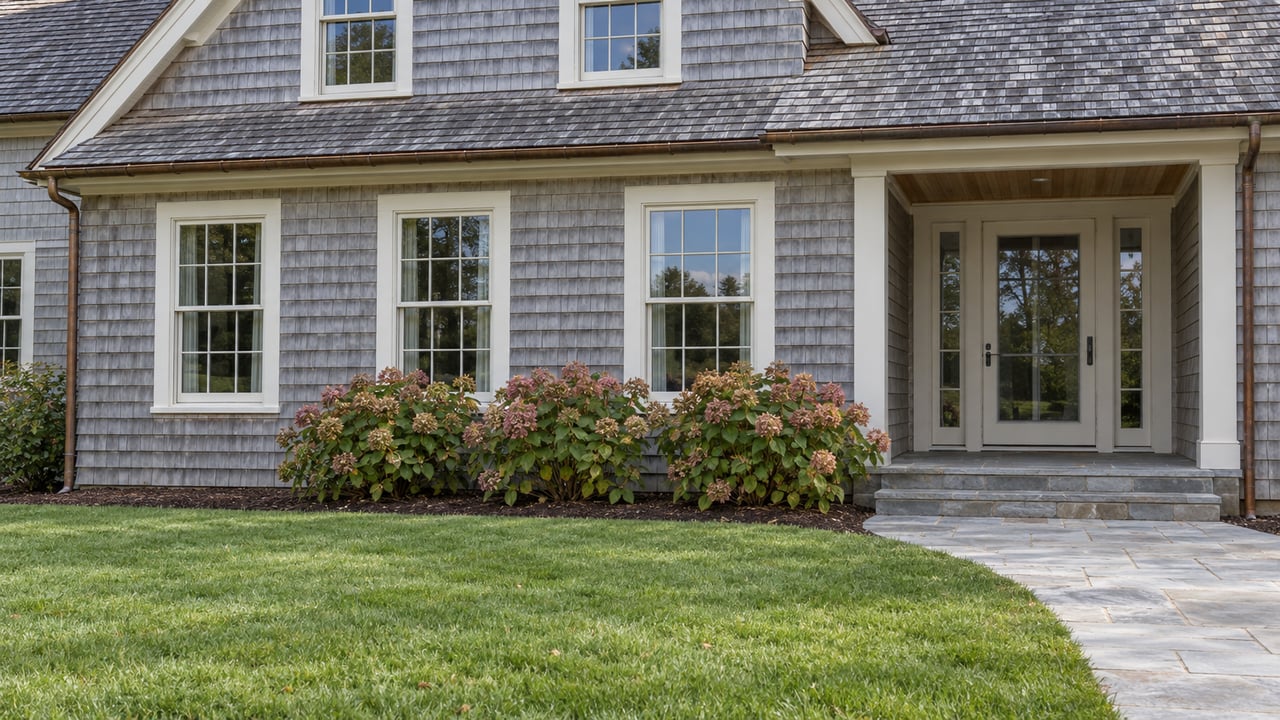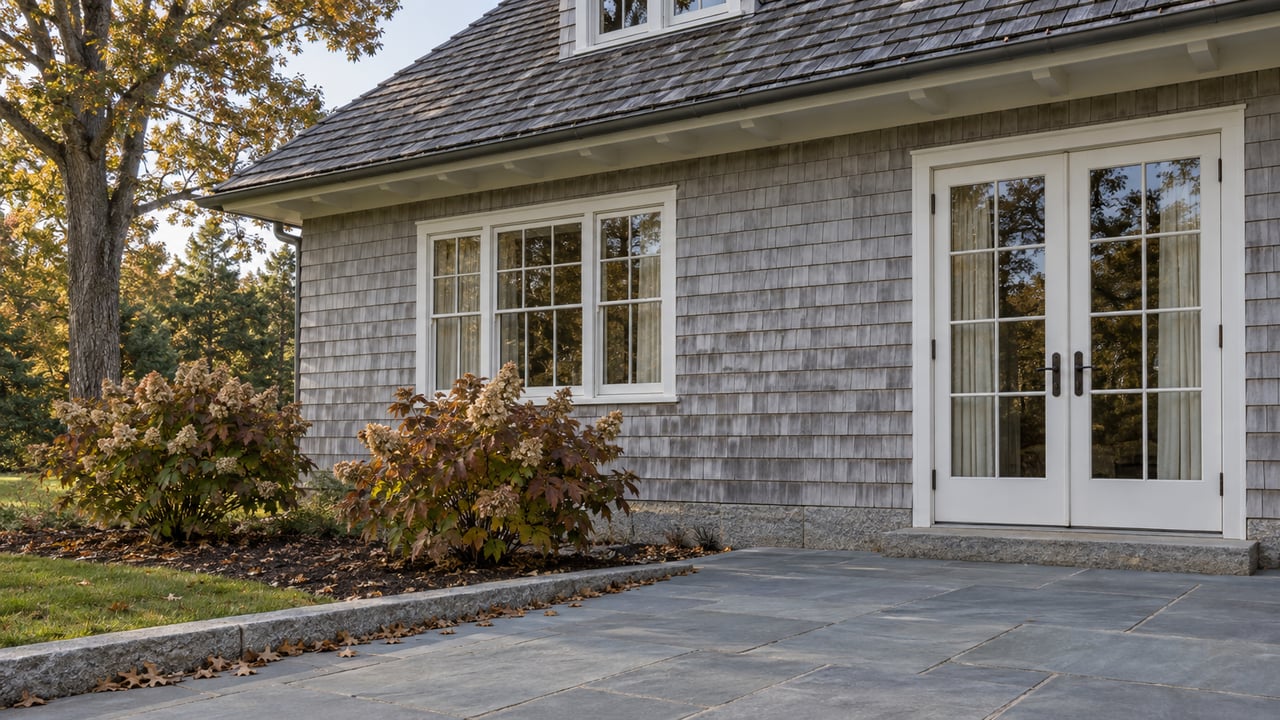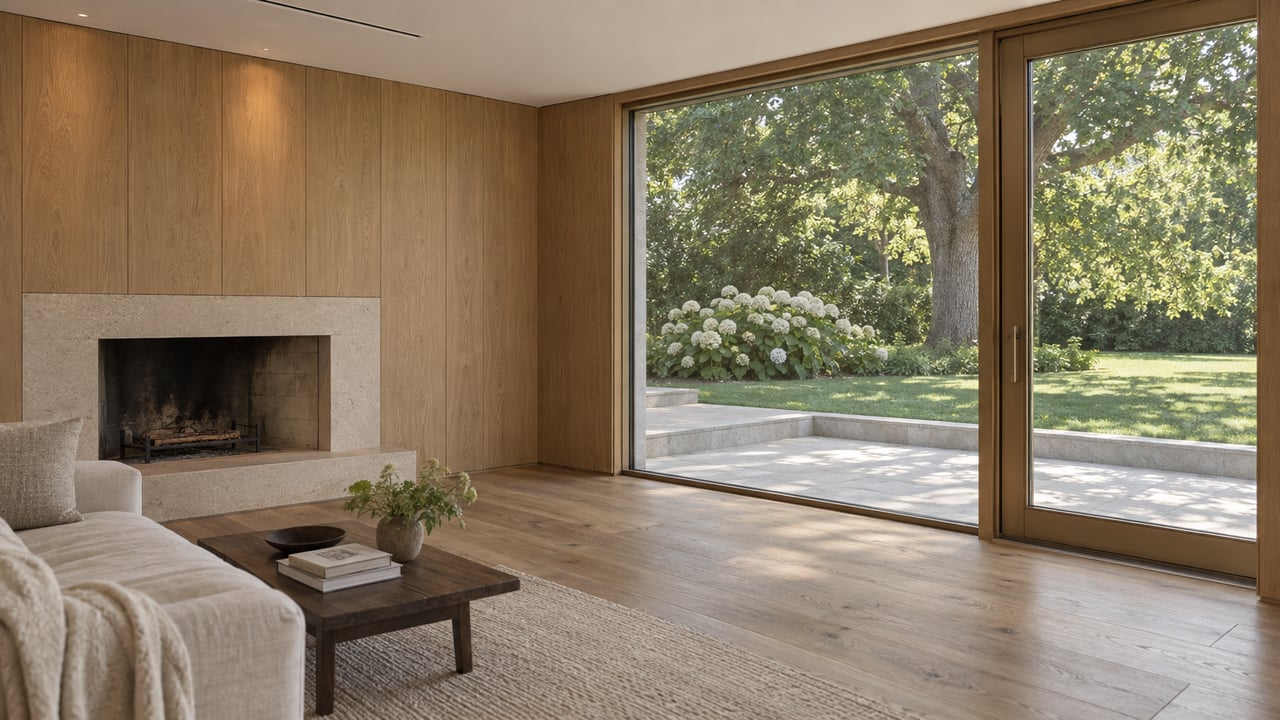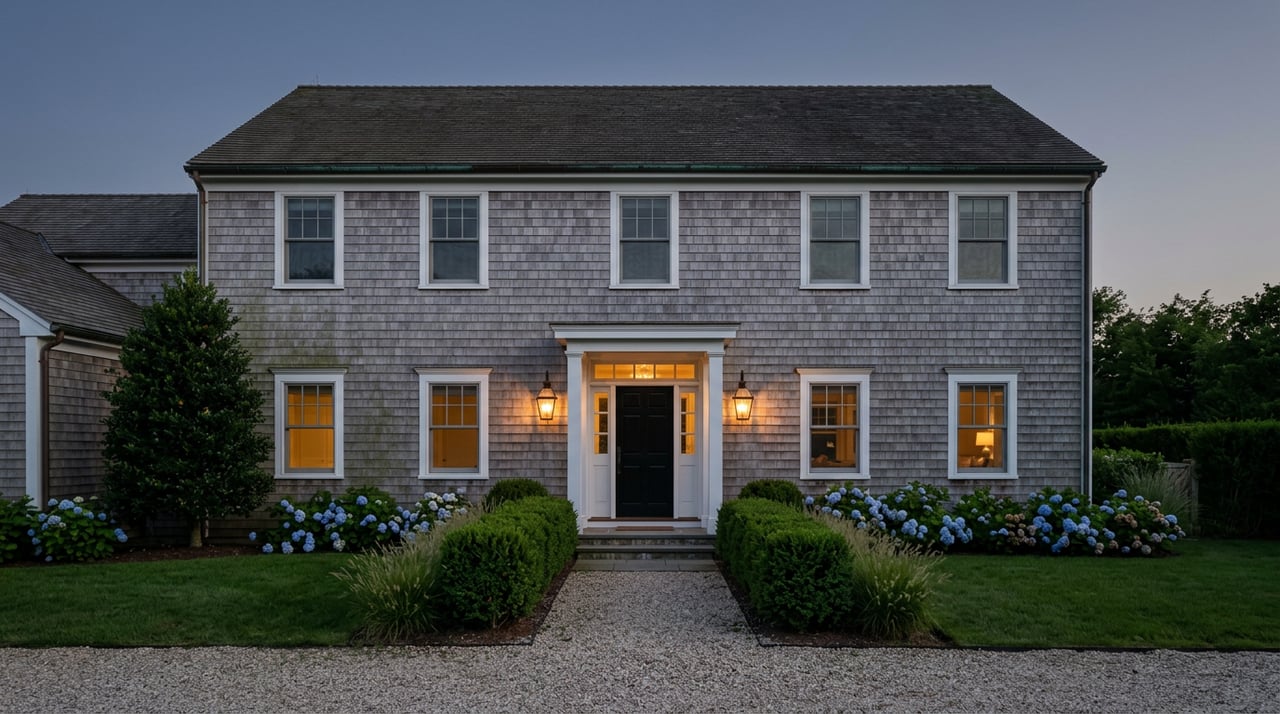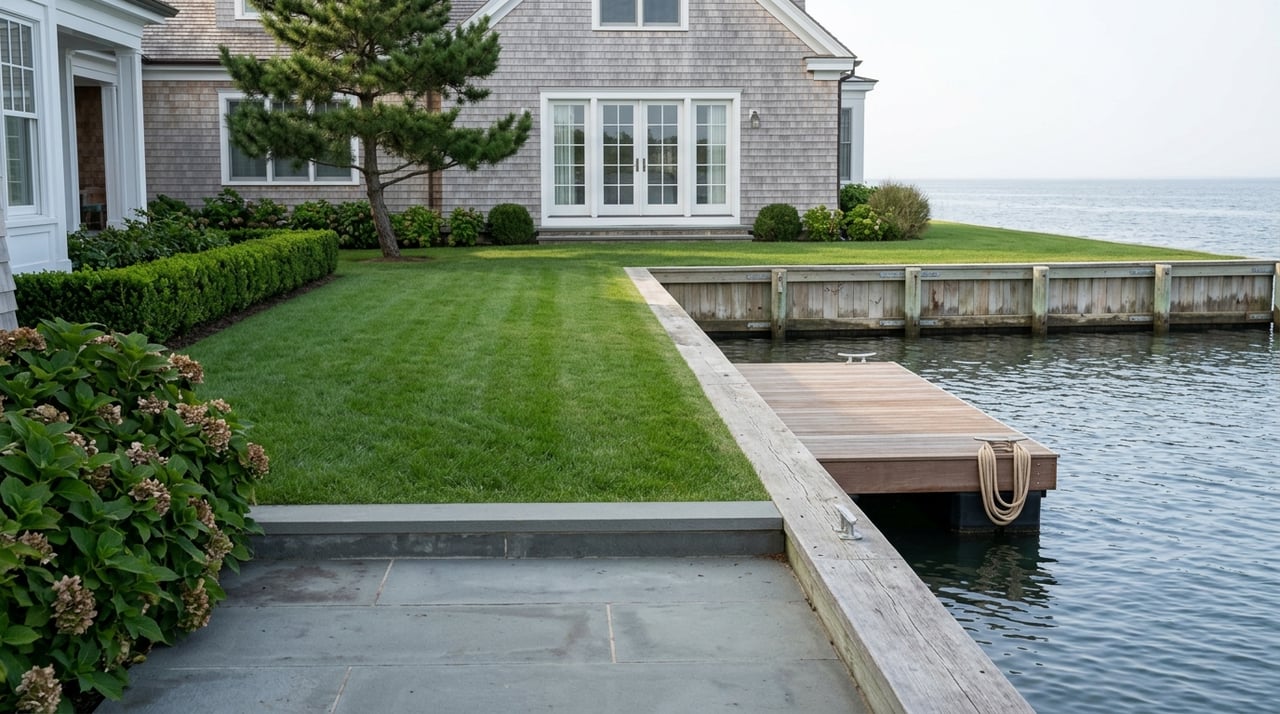
Wondering whether a Sag Harbor harborfront home or an in-village property is the better fit for your life? It is a smart question, because in Sag Harbor, the choice is rarely just about price or style. It is about how you want to live day to day, from boating access and water views to walkability, historic character, and upkeep. If you are weighing both options, this guide will help you compare the tradeoffs with more clarity. Let’s dive in.
Two Ways to Live in Sag Harbor
In Sag Harbor, this comparison is best understood as two different living patterns within the same market. Harborfront and waterfront homes tend to center on water access, views, and marine use. In-village homes tend to center on the street grid, historic setting, and the ease of moving through daily life on foot.
That distinction reflects how the village itself is organized. Sag Harbor’s zoning includes the WF Waterfront District, Historic Overlay District, Tidal Flood Hazard Overlay District, and WFOD Waterfront Overlay District, with the tidal flood hazard overlay aligning with FEMA Special Flood Hazard Areas according to the village zoning map. The village also describes its historic district and waterfront as central to Sag Harbor’s identity in its planning materials.
Harborfront Homes: Water First
If your ideal Hamptons lifestyle includes stepping closer to the water every day, harborfront living has a clear appeal. These homes are often about immediate visual connection to the harbor, easier boating logistics, and a setting that feels shaped by marine life.
That said, water-oriented living is not only about the romance of the view. It also means thinking practically about dockage, moorings, shoreline exposure, and local rules that shape what ownership looks like over time.
Boat Access and Marine Convenience
Boat access is the strongest functional advantage of harborfront living. The village Harbormaster notes that Sag Harbor offers seasonal and transient dockage and moorings, free pump-out service, 30 or 50 amp power, heads and showers, potable water in the mooring field, and a short walk from marina facilities to shops, restaurants, and public bus transportation on the Harbor and Docks page.
The same system includes the Mooring Field, A Dock, B Dock, BB Dock, Marine Park, Marine Park Basin, Dinghy Docks, Transient Dock, and Water Street Cables. For buyers who boat often, that infrastructure can make harborfront ownership feel much more seamless than relying on a purely inland village location.
Still, marine access comes with recurring costs. According to the village 2026 dock rate schedule, resident moorings are $40 per foot and non-resident moorings are $80 per foot, while resident dockage at several village docks is $100 per foot and non-resident dockage is $230 per foot. In other words, the boating lifestyle is convenient here, but it is not incidental.
Views, Exposure, and Privacy
Harborfront homes often trade some privacy for openness and water presence. That is partly because the Waterfront Overlay District is designed to preserve public waterfront views, improve continuity of access to the water, and strengthen the pedestrian environment, as outlined in the village code.
For some buyers, that openness is the point. If you value light, harbor outlooks, and a strong sense of place, it can be a meaningful advantage. If you prefer a more tucked-away setting, however, an interior village lot may feel more comfortable.
Architecture and Setting
Harborfront housing stock is often more varied in style than the village core. The Waterfront Overlay District encourages a diversity of scales, architectural styles, and materials, according to the zoning language.
That usually translates into a broader mix of home types, from cottages to more contemporary waterfront properties. If you are drawn to architecture that responds directly to the water, this side of the market may offer more variety.
In-Village Homes: Walkable and Historic
In-village homes offer a different kind of luxury. Instead of centering on direct water contact, they often emphasize convenience, architectural character, and the pleasure of being woven into the village fabric.
For many buyers, this is where Sag Harbor feels most classic. You are not just buying a house, but a rhythm of life shaped by streets, storefronts, and a historic built environment.
Walkability and Daily Ease
In-village homes typically have the edge when it comes to walkability. Current listing examples on Main Street and Jermain Avenue describe close proximity to Main Street shops, restaurants, the harbor, the Whaling Museum, the library, and historic marinas, as noted in this Main Street property example.
The village marina is also described as a short walk to shops, restaurants, and public bus transportation on the Harbor and Docks page. If you want to park once and spend more of the day on foot, the village core is usually the more natural fit.
Historic Character and Lot Pattern
Sag Harbor’s historic district is a major part of its identity. Village planning materials describe it as a collection of closely built colonial and 19th-century timber-frame structures on small, irregular lots in the 2022 local law materials.
That often creates a setting that feels denser, more intimate, and more street-oriented than waterfront living. If you are drawn to older homes, established streetscapes, and a sense of continuity with the village’s past, in-village housing often delivers that experience more directly.
Privacy and Everyday Feel
While village homes can sit closer together, privacy may actually be better on some deeper interior lots or quieter side streets than on more exposed waterfront parcels. This is not a hard rule, but it is a common pattern when comparing sheltered in-village settings with lots designed around open waterfront views.
For buyers who want less visual exposure and less emphasis on the harbor as the central backdrop, certain village locations can feel more contained and easier to personalize.
Permitting and Maintenance Differences
One of the most important parts of this comparison has little to do with aesthetics. It has to do with how ownership feels after closing.
What to Know About Village Reviews
If a home is within the historic district, exterior work may involve more review. The village land use report states that every building permit must be reviewed by the Board of Historic Preservation and Architectural Review, and the Building Department handles permits, demolition permits, certificates of occupancy or compliance, and enforcement of building and zoning codes, as described in the land use report.
That does not mean change is off limits. It does mean that additions, exterior alterations, and certain maintenance decisions can require more time and coordination than buyers initially expect.
What to Know About Waterfront Exposure
Waterfront homes bring a different set of questions. The village zoning map identifies a Tidal Flood Hazard Overlay District, and the village has amended the waterfront overlay rules to preserve viewsheds and apply a 25-foot, two-story height limit on waterfront lots in the WFOD, with limited exceptions in certain cases, according to the village zoning map.
FEMA also notes that its Flood Map Service Center is the official source for flood-hazard maps and advises property owners to check flood zones and consult the local floodplain administrator before making changes. For buyers, that means flood exposure, insurance, shoreline maintenance, and design constraints should be part of the conversation early.
Pricing Context in Sag Harbor
Sag Harbor sits firmly at the upper end of the regional market. Public trackers vary by methodology, but all point to a luxury price environment. Redfin’s January 2026 market snapshot shows a median sale price of $1.9 million.
The waterfront subset trends meaningfully higher. Redfin’s Sag Harbor waterfront market page shows 10 waterfront homes for sale with a median listing price of $4.22 million.
Village-core examples generally come in below that waterfront tier, though still well within the luxury bracket. The same Main Street listing example is listed at $1.788 million, while current village examples on Jermain Avenue are also positioned below many waterfront offerings.
Which Home Type Fits You Best?
The right choice usually comes down to what you value most in daily use.
Harborfront May Suit You If:
- You want direct or easier access to boating and marine facilities
- You place a premium on water views and a strong waterfront setting
- You are comfortable evaluating flood exposure, insurance, and marine-related costs
- You want your home experience to feel more tied to the harbor than the village street grid
In-Village May Suit You If:
- You want to walk more often to shops, dining, and local destinations
- You are drawn to historic character and a more traditional streetscape
- You want less day-to-day marine complexity
- You value a classic Sag Harbor setting with a strong sense of neighborhood fabric
A Smart Way to Compare Both
In practice, many buyers begin by thinking they want one category and end up choosing the other. A waterfront buyer may realize that village walkability matters more than expected. A village-focused buyer may decide that regular boating access changes the equation.
That is why this is best approached as a lifestyle decision first, and a property search second. In Sag Harbor, the finest match is often the one that aligns not only with your design preferences, but with how you actually want to spend your time.
If you are considering a purchase in Sag Harbor and want a more nuanced read on specific streets, waterfront conditions, or village inventory, working with an advisor who understands the micro-market can make the comparison much clearer. To explore your options with local insight and discretion, connect with Deborah Srb.
FAQs
What is the main difference between harborfront and in-village homes in Sag Harbor?
- Harborfront homes usually prioritize water access, views, and marine use, while in-village homes usually prioritize walkability, historic character, and day-to-day convenience.
Are in-village homes in Sag Harbor easier for walkability?
- Yes. In-village homes are typically closer to Main Street shops, restaurants, the harbor, and other village destinations, making it easier to get around on foot.
Do harborfront homes in Sag Harbor come with extra ownership considerations?
- Yes. Buyers should evaluate flood-hazard exposure, insurance, shoreline-related maintenance, marine fees, and waterfront design rules before purchasing.
Are historic reviews important for village homes in Sag Harbor?
- Yes. Homes within the historic district may involve review by the Board of Historic Preservation and Architectural Review for certain exterior changes and building permits.
Are harborfront homes in Sag Harbor usually more expensive than in-village homes?
- Based on current public market trackers and listing examples, waterfront homes generally trend higher than village-core homes, although pricing varies by location, condition, and features.