If you picture a Montauk waterfront home as a simple choice between beach house and not-beach house, the reality is far more nuanced. In Montauk, the right waterfront property depends on how you want to live, what level of exposure you are comfortable with, and how carefully you evaluate the land as well as the house. If you are searching for a retreat that feels effortless once you own it, understanding those differences early can save time, sharpen your priorities, and lead you to a far better fit. Let’s dive in.
What “waterfront” means in Montauk
Montauk sits at the eastern tip of Long Island’s South Fork, within the Town of East Hampton in Suffolk County. Town planning materials note that roughly 60% of Montauk is protected open space, with most development concentrated in a central core that runs from the Atlantic Ocean to Block Island Sound.
That setting gives Montauk a very particular kind of waterfront market. Here, waterfront can mean direct ocean frontage, a harbor or bay setting, a home near Lake Montauk or Fort Pond, or an elevated parcel with broad water views but more separation from the shoreline.
It also means your decision is not only about scenery. The town notes that Montauk relies on a shallow local aquifer that is both limited and vulnerable to contamination and saltwater intrusion, so infrastructure, drainage, and environmental sensitivity matter in ways that many inland buyers do not expect.
Oceanfront homes offer the most direct beach experience
For many buyers, oceanfront is the dream. Areas tied to Montauk’s oceanfront identity include places near Ditch Plains, Kirk Park Beach, Montauk Point State Park, and Shadmoor State Park, where the setting is defined by surf, dunes, bluffs, and open Atlantic views.
The appeal is obvious. You get immediate access to the beach atmosphere that draws so many people to Montauk in the first place, along with some of the most dramatic vistas in the Hamptons.
The tradeoff is exposure. FEMA classifies coastal high hazard areas as Zone V or VE, where wave action and fast-moving water can create extensive damage, and East Hampton’s coastal planning materials repeatedly emphasize Montauk’s vulnerability to erosion, storm surge, flooding, and shoreline retreat.
If you are considering oceanfront, the conversation should go beyond finishes and frontage length. You will want to look closely at flood-zone status, elevation, insurance implications, and the property’s shoreline-protection and permit history.
Oceanfront may suit you if
- You want direct beach access and strong surf exposure
- You value unobstructed Atlantic views
- You understand and accept higher coastal-risk considerations
- You are prepared for more detailed diligence on flood and erosion issues
Bayfront and harborfront homes favor boating and calmer water
If your idea of waterfront living includes boating, paddle sports, charter access, or calmer conditions, bayfront and harborfront property may be the better match. In Montauk, that often means looking around Lake Montauk, Montauk Harbor, East Lake Beach, and Fort Pond Bay.
Local sources describe Montauk Harbor as a center for commercial fishing, chartering, and recreational boating, while Fort Pond Bay Park includes a kayak and canoe launch ramp plus a fishing pier. East Lake Beach, also known as Gin Beach, offers a managed bay beach setting with vehicular access by town permit.
This kind of waterfront often delivers a different daily rhythm than oceanfront. The water is generally calmer, the boating culture is more central, and the experience tends to feel more oriented to marinas, docks, slips, and harbor activity than to dunes and surf.
That said, a harborfront search brief should be precise. If a dock, mooring, or slip is important to you, define that early and verify what is actually included or permitted with the property rather than assuming all waterfront access works the same way.
Harborfront may suit you if
- You prioritize boating and marina access
- You prefer calmer water conditions
- You want easier launching for small craft or charter access
- You are less focused on direct oceanfront sand exposure
Lake and pond settings can feel quieter and more natural
Some buyers are drawn to a softer, more private waterfront setting. In Montauk, homes near Lake Montauk or Fort Pond can offer that quieter feel, often with strong visual interest, a close connection to the landscape, and a different kind of waterfront experience.
Lake Montauk has a particularly layered identity. It was historically Long Island’s largest freshwater lake, but it became estuarine after the inlet opened in the 1920s. Official habitat assessments say its shoreline supports shellfish and fish habitat, while also facing pressure from runoff, boat waste, and wastewater contributions.
Fort Pond is identified in town planning documents as the largest coastal freshwater pond on Long Island and the second-largest freshwater pond on Long Island overall. Those same planning materials treat it as a sensitive drainage area with meaningful ecological value.
For buyers, that means these properties deserve a careful look at water-quality sensitivity, drainage, septic or wastewater condition, and site stewardship. A quieter waterfront setting can be deeply appealing, but it should also be approached with a clear understanding of how the site functions.
Elevated near-water homes offer views with more separation
Not every compelling waterfront property sits directly at the shoreline. In Montauk, elevated near-water homes can provide long water views and a sense of privacy while sitting above the most direct wave exposure.
The Department of State notes that Lake Montauk is framed by hills over 100 feet high, and Shadmoor’s bluff-top landscape shows how some properties can be close to the water yet set above the surf line. For many buyers, that is an attractive middle ground.
You may give up direct steps-to-sand access, but gain broader sightlines, a stronger sense of retreat, and in some cases a bit more physical separation from the shoreline itself. If your priority is outlook rather than immediate frontage, this category is worth serious attention.
Start with lifestyle before you start touring
The most successful Montauk searches begin with lifestyle clarity. Before you focus on finishes, pools, or architectural style, decide what kind of waterfront life you actually want.
Ask yourself a few simple questions:
- Do you want surf and direct beach time, or calmer water for boating and swimming?
- Is privacy more important than immediate shoreline access?
- Do you need a dock, mooring, or slip?
- Are you comfortable with higher flood-zone exposure?
- Do you want a property centered on views, outdoor recreation, or a quieter natural setting?
In Montauk, the wrong waterfront type can feel like a mismatch even if the house itself is beautiful. The right one tends to make daily life feel intuitive.
Due diligence matters as much as the view
Montauk’s waterfront market rewards a disciplined approach. Before making an offer, buyers should verify the FEMA flood zone, confirm whether the home sits within a Special Flood Hazard Area, and ask whether an elevation certificate exists.
Flood insurance also deserves early attention. FEMA states that flood insurance is separate from homeowners insurance, and that mandatory purchase rules apply to most government-backed mortgages in high-risk flood areas.
On the local side, East Hampton’s Planning Department says minimum elevation requirements for construction within flood hazard areas are being revised under the New York State Residential Code and Building Code, effective December 31, 2025. The town also notes that its own code will not be updated until the state issues further guidance.
That is important because waterfront ownership is not static. Today’s conditions, and today’s rules, can influence what you may be able to alter, improve, rebuild, or expand in the future.
Key items to review before you buy
- FEMA flood-zone designation
- Special Flood Hazard Area status
- Elevation certificate, if available
- Flood insurance quote and coverage requirements
- Septic and wastewater condition
- Drainage and irrigation considerations
- Shoreline-protection history
- Permit history for prior coastal work
- Whether the property sits in a historic district or coastal overlay area
Shoreline resilience is part of the ownership picture
Montauk is in active shoreline-resilience planning because the town says the area is vulnerable to sea level rise, erosion, storm surge, and flooding due to low topography, low groundwater, and a retreating ocean shoreline. This is not background information. It is part of the ownership picture.
The town’s 2025 coastal-protection announcement says federal, state, and local governments are committing $184 million over 30 years to stabilize downtown Montauk, strengthen dunes, and preserve public access. That signals both the importance of the coastline and the reality that this environment is changing.
Town board materials also show that emergency shoreline stabilization in the coastal erosion district is tightly controlled. Temporary measures such as sand fill or sandbag and geotextile systems may be allowed in some circumstances, but they are subject to removal and restoration requirements.
For you as a buyer, this means shoreline-protection history should be reviewed with the same care as renovations, square footage, or lot lines. It is central to understanding the property’s long-term profile.
Access rules can shape everyday use
A waterfront address does not automatically mean unrestricted beach use. East Hampton’s beach-driving guide requires town permits for beach driving and lists Montauk ocean-beach and Fort Pond Bay stretches with seasonal driving restrictions. Individual beach areas such as Ditch Plains, Kirk Park, and East Lake Beach also have parking and access controls tied to town permits.
That may not change whether you love a property, but it can absolutely shape how you use it. If you expect easy beach parking, drive-on access, or certain launch conditions, confirm those details early so your day-to-day expectations match the reality.
Architecture should match the waterfront setting
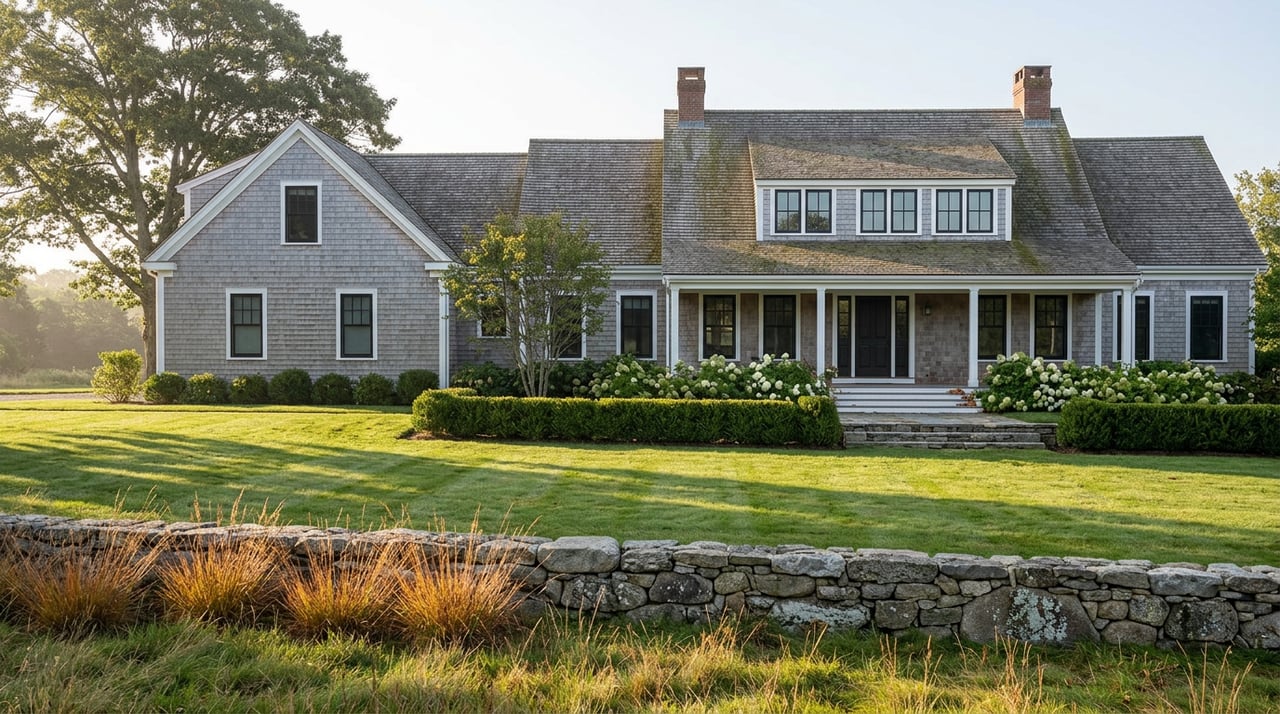
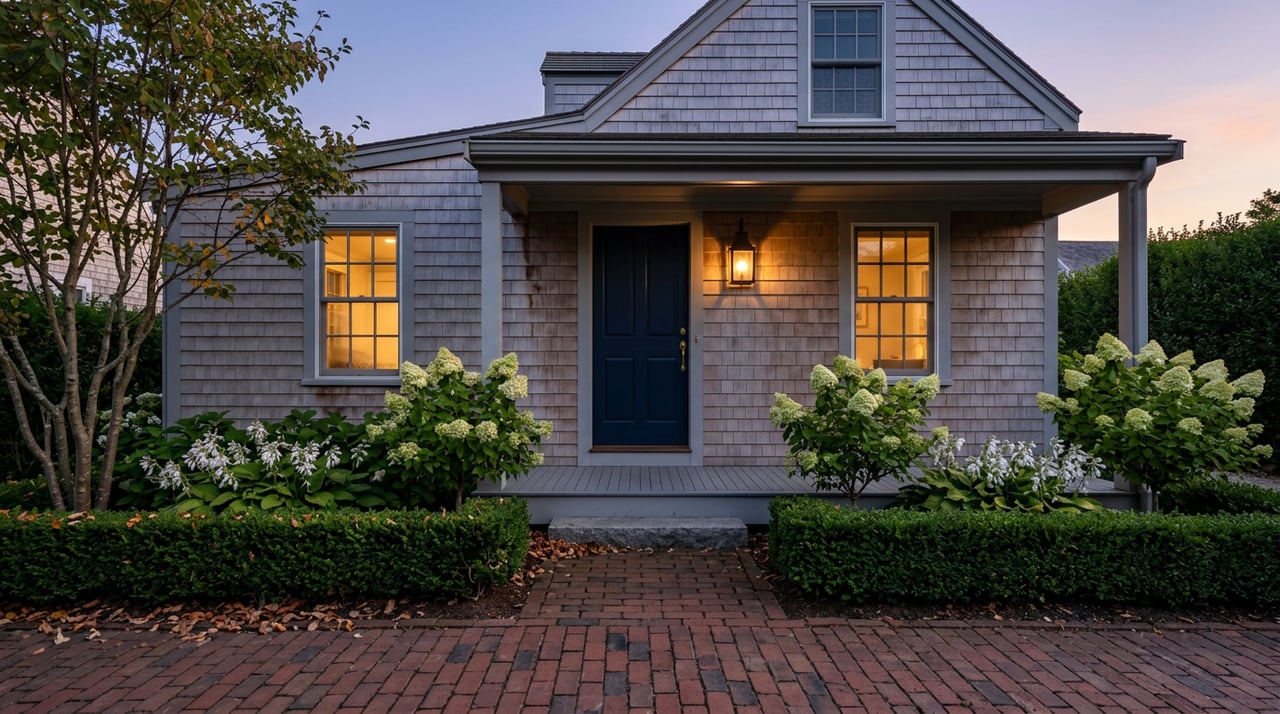
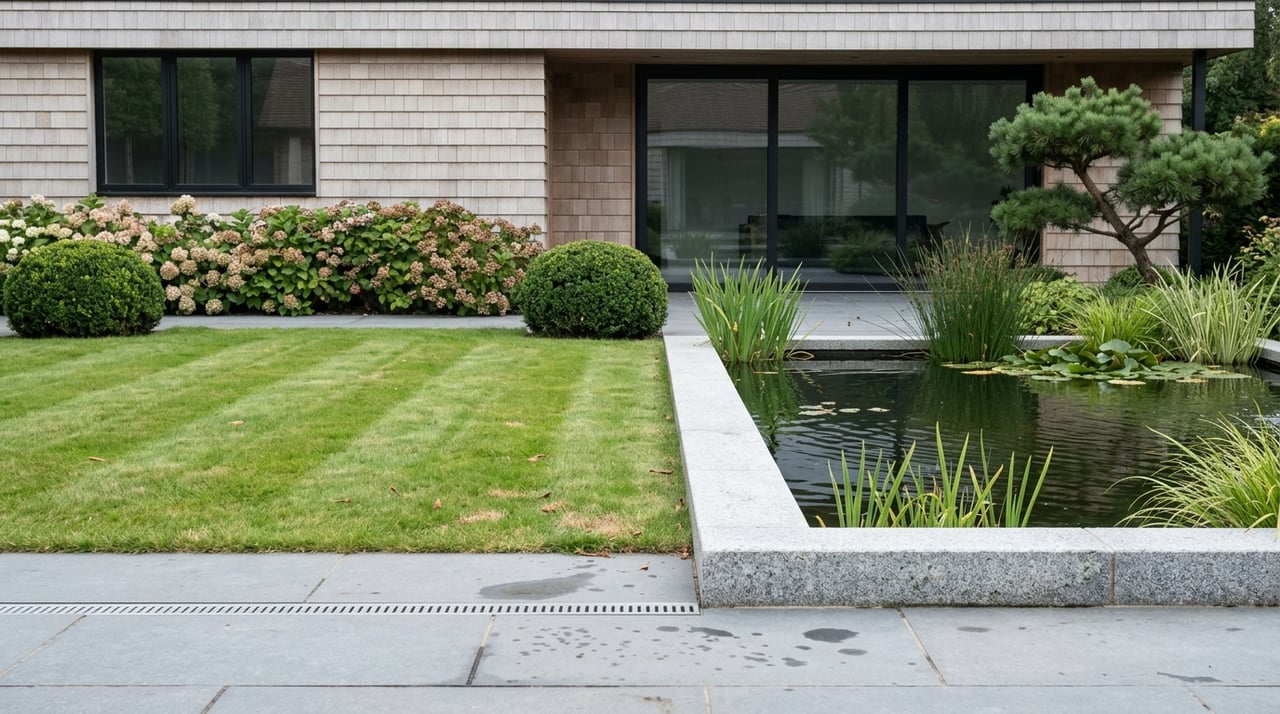
Montauk’s architecture is eclectic rather than uniform, which is part of its appeal. The town’s historic-district materials include the Montauk Association Historic District, and local architectural character includes shingle-style cottages, half-timbered houses, Leisurama-era beach homes, and newer contemporary design.
That variety is why your search brief should define the house as carefully as the water. A bluff-top contemporary and a harborfront cottage may both be compelling, but they support very different lifestyles, maintenance profiles, and visual experiences.
A thoughtful brief should identify:
- Ocean, bay, harbor, lake, pond, or hillside setting
- Direct frontage versus deeded or nearby beach access
- Dock, mooring, or slip needs
- Acceptable flood-zone exposure
- Elevation and certificate availability
- Septic and wastewater priorities
- Shoreline-protection history
- Historic-district or overlay considerations
- Preferred architectural style and renovation tolerance
When those criteria are clear, your search becomes more focused and far more effective.
The right waterfront home is a tailored choice
In Montauk, the best waterfront home is rarely the one with the most obvious view alone. It is the one that aligns your lifestyle, your design preferences, your risk tolerance, and the realities of the site itself.
That is especially true in a market where oceanfront, harborfront, pond-adjacent, and elevated-view properties can all fall under the same broad label of waterfront while living very differently in practice. A more tailored search almost always leads to a more satisfying result.
If you are considering a waterfront purchase in Montauk, a curated approach can make all the difference. Working with a local advisor who understands the nuances of setting, access, design, and due diligence can help you narrow the field quickly and evaluate each opportunity with more confidence. To explore Montauk waterfront opportunities with a boutique, design-forward perspective, connect with Deborah Srb.
FAQs
What types of waterfront homes are available in Montauk?
- Montauk waterfront homes can include direct oceanfront properties, bayfront or harborfront homes, lake- or pond-adjacent properties, and elevated near-water homes with broad views but less direct shoreline exposure.
What should you check before buying a waterfront home in Montauk?
- You should review the FEMA flood zone, Special Flood Hazard Area status, elevation certificate availability, flood insurance needs, septic or wastewater condition, drainage, shoreline-protection history, and permit history.
Are oceanfront homes in Montauk riskier than other waterfront homes?
- Oceanfront homes can carry greater exposure to erosion, storm surge, flooding, and wave action, so buyers should evaluate flood-zone status, elevation, insurance implications, and coastal permit considerations very carefully.
Is Lake Montauk considered true waterfront in Montauk?
- Yes. Lake Montauk is part of Montauk’s waterfront market, but it offers a different experience from oceanfront property, with stronger ties to boating, marinas, habitat sensitivity, and water-quality considerations.
Do Montauk waterfront homes always include easy beach access?
- No. Some properties have direct frontage, while others may rely on deeded, nearby, or permit-controlled access. Beach driving, parking, and certain access points in Montauk are subject to Town of East Hampton rules and seasonal restrictions.
Why do elevated near-water homes appeal to Montauk buyers?
- Elevated near-water homes can offer long views, added privacy, and more separation from direct wave exposure, which appeals to buyers who value outlook and setting more than immediate shoreline access.