If you are considering a Montauk beach house as more than a summer escape, you are asking the right question: can it truly perform as a seasonal rental investment? In Montauk, the answer can be yes, but success usually depends on understanding the town’s short earning window, local rules, and the realities of coastal ownership. With the right expectations, you can evaluate whether a beach property fits both your lifestyle and your investment goals. Let’s dive in.
Why Montauk Stands Out
Montauk holds a distinct place in the Hamptons market. It is closely tied to beaches, boating, surf culture, and a seasonal hospitality scene that draws visitors looking for a true coastal experience. That identity matters because it supports the kind of short-term demand that makes seasonal rentals possible.
For buyers, this creates a compelling mix of personal use and income potential. You are not only buying a home near the water. You are buying into a market with a well-established summer rhythm and strong lifestyle appeal.
Montauk's Rental Season Is Concentrated
The most important thing to understand is timing. In Montauk, the core beach season generally begins around Memorial Day weekend, expands through mid-June, and runs full-time through Labor Day, with some beach activity extending for the two weekends after Labor Day. That makes late spring through early fall the clearest rental window for a beach house.
This seasonality shapes the entire investment model. Unlike a market where demand is spread more evenly across the year, Montauk owners often need to make most of their income during a relatively short stretch. June, July, August, and parts of September matter most.
What that means for owners
A seasonal strategy is usually more practical than an annual one. You may see the strongest demand during peak summer weeks, with shoulder-season interest in June and September. That means your pricing, presentation, and booking calendar need to be aligned with a compressed high-opportunity period.
This is also why buyers should look beyond the headline idea of “rental income.” In Montauk, when you rent can matter just as much as how often you rent.
Montauk Rental Data in Context
Current short-term rental data reinforces that Montauk can generate meaningful revenue, but it is not a market where every property performs the same way. AirDNA data from July 5, 2026 shows 864 active short-term rental listings in Montauk, with 48% average occupancy, a $1,140 average daily rate, and $52.4K in average annual revenue per active listing.
Those numbers are useful because they show both opportunity and limits. The daily rate is strong, but average occupancy is far from full. In other words, this is not simply a volume game.
Pricing power matters
The same data shows flat year-over-year occupancy, alongside a 6.5% increase in average daily rate and a 20.3% increase in annual revenue. That suggests pricing power can matter as much as booking more nights. A well-positioned property may benefit more from strong presentation and disciplined rate strategy than from trying to fill every gap on the calendar.
For a luxury beach house, that distinction is especially important. In Montauk, quality, timing, and guest experience can help support stronger rates during the weeks that matter most.
Local Rules Are Part of the Investment
If you are evaluating a Montauk rental property, regulations should be part of your underwriting from the start. In the Town of East Hampton, rental properties must be registered, and the rental registration number must appear in advertisements. The town also requires updates when tenancy terms or tenants change, and the registration term expires two years after the form is deemed complete.
That means rental compliance is not something to sort out later. It is part of the operating framework of owning a seasonal rental in Montauk.
Suffolk County occupancy tax
At the county level, Suffolk County imposes a 3% occupancy tax on short-term lodging of less than 30 days, including residences and tourist homes. For owners, this affects how you set up bookkeeping, collect funds, and manage remittance.
In practical terms, taxes and registration are part of the business model. If you are comparing Montauk to other second-home markets, this is one of the areas where careful planning can make ownership much smoother.
Guest Expectations Are Higher in Montauk
In Montauk’s luxury segment, guests often expect more than a good address. Local hospitality properties emphasize amenities such as private beach access, chairs, umbrellas, towels, paddleboards, heated pools, cabanas, concierge service, bikes, spa and wellness offerings, racquet sports, and on-site dining.
A private beach house does not need to function like a full resort, but the local market sets a clear benchmark. Guests are often looking for a seamless summer experience, not just a place to sleep.
Features that can support rental appeal
For private owners, the takeaway is simple: convenience and comfort matter. A home may compete more effectively when it supports easy arrivals, simple beach-day logistics, and relaxing post-beach living.
That can include features such as:
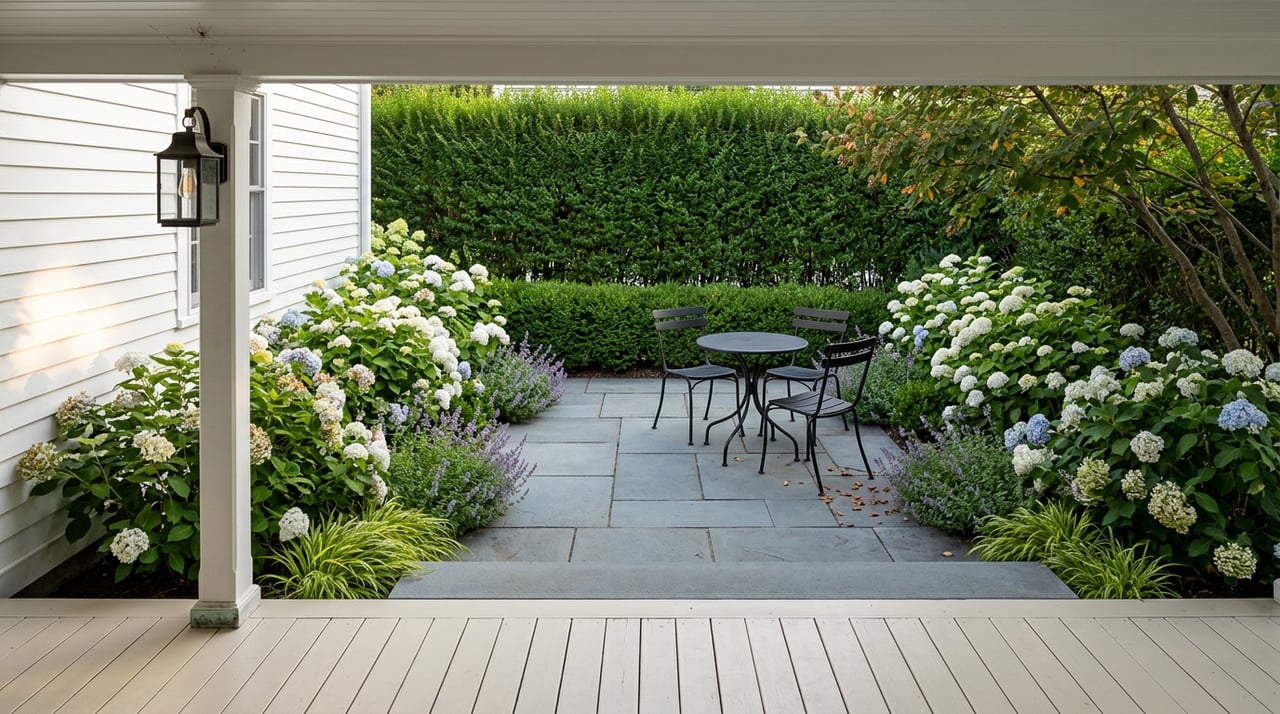
- Well-planned outdoor spaces
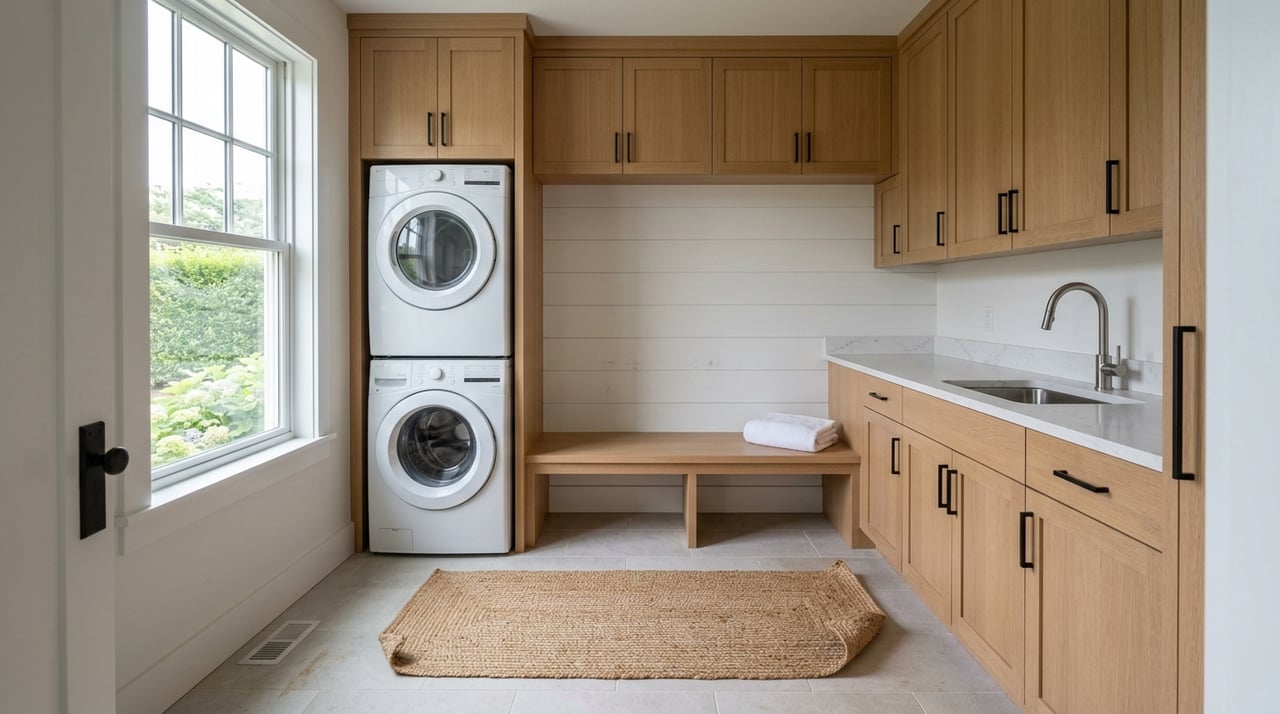
- Comfortable areas for rinsing off and storing gear
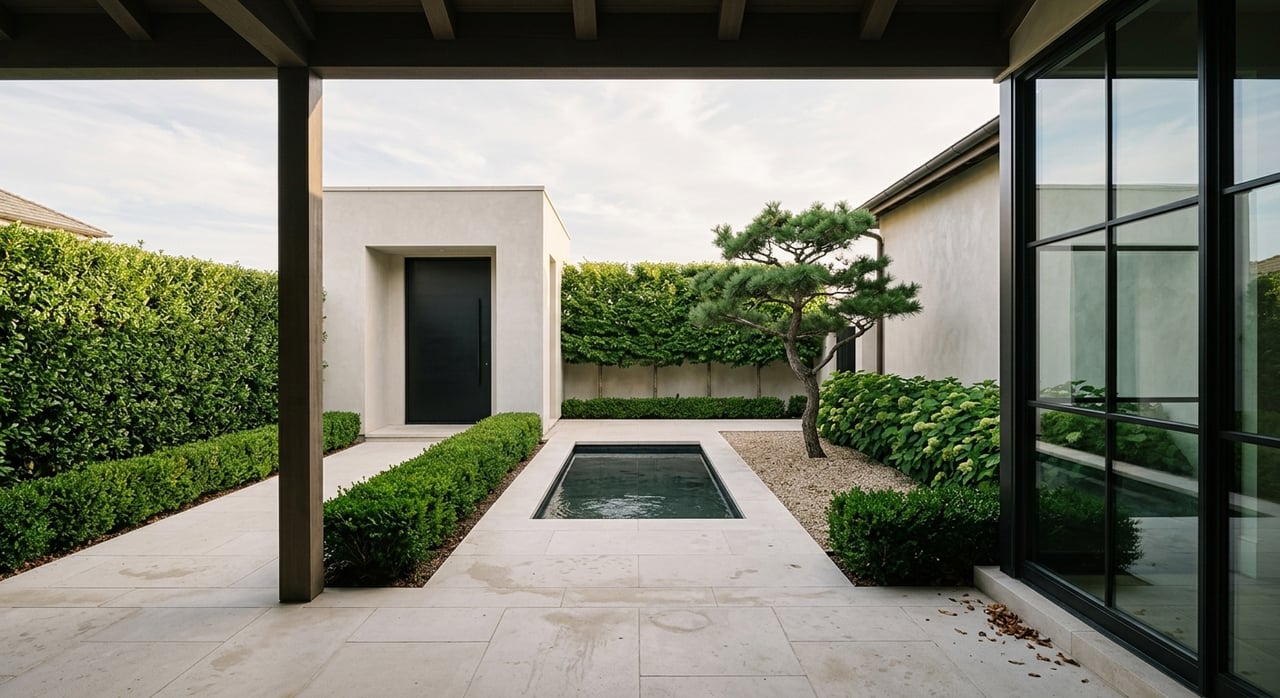
- Attractive pool and lounge settings
- Strong indoor-outdoor flow
- Polished presentation in photos and in person
In a market where rates can be strong, guest expectations also tend to be high. The homes that feel thoughtful and easy to enjoy are often better positioned.
Coastal Wear and Tear Is Real
Every beach market has tradeoffs, and in Montauk one of the biggest is maintenance. Coastal humidity and salt-laden moisture can accelerate corrosion, and salt spray carried by wind can affect homes even beyond the immediate shoreline. That means beach houses often need more frequent attention than comparable inland properties.
This is not necessarily a reason to avoid the market. It is simply part of owning well in a coastal environment.
Plan for ongoing upkeep
If you are buying with rental income in mind, maintenance should be treated as a regular operating cost, not a surprise. Outdoor equipment, exposed materials, finishes, and exterior systems may all require more attention over time.
This is one reason experienced buyers often focus not only on purchase price and location, but also on how a home is designed, finished, and maintained. In a seasonal investment, protecting presentation can directly support pricing.
The Long-Term Value Story
Seasonal income is only one side of the equation. For many buyers, the bigger picture includes long-term ownership in a high-demand coastal market. Montauk remains part of a valuable Hamptons ecosystem with persistent appeal for second-home buyers and luxury purchasers.
Year-end 2025 market data from William Raveis shows 80 home sales in Montauk, $275.9 million in sales volume, and a median home sale price of $2.245 million, up 6.9% year over year. The broader Hamptons median was $2.06 million, up 8.4% year over year.
Why appreciation still matters
No single year guarantees future results, but the data supports the idea that Montauk continues to benefit from scarcity and enduring demand. For buyers who plan to hold over time, that can add an important second layer to the investment case.
The Town of East Hampton is also continuing coastal-protection work in Montauk, including storm-risk management and inlet dredging. While that does not guarantee appreciation, it does matter for long-term access, resilience, and livability.
Is a Montauk Beach House a Good Investment?
For the right buyer, it can be. The strongest fit is often someone who appreciates both the emotional value of the property and the practical realities of operating it as a seasonal asset. Montauk can work well when you enter with a clear plan for timing, compliance, maintenance, and guest expectations.
A good investment property here is rarely just about proximity to the beach. It is about the full package: rental timing, carrying costs, presentation, and how well the home matches what summer renters in Montauk actually want.
How to Evaluate the Opportunity
If you are weighing a purchase, keep your focus on a few essentials:
- The property’s usable rental window
- Registration and local compliance requirements
- Occupancy tax setup and recordkeeping
- The home’s maintenance demands in a coastal setting
- Amenity profile and guest appeal
- Long-term hold potential in the Montauk market
In a market this nuanced, details matter. A house that looks appealing on paper may perform very differently depending on condition, layout, outdoor living, and how well it fits seasonal demand.
Montauk beach houses can offer a rare blend of lifestyle and income, but the best results usually come from a measured, well-informed approach. If you are considering a purchase, sale, or seasonal rental strategy in the Hamptons, working with an advisor who understands both market positioning and presentation can make all the difference. To explore opportunities with a boutique, design-forward perspective, connect with Deborah Srb.
FAQs
Are Montauk beach houses best for year-round rentals or seasonal rentals?
- In Montauk, a seasonal rental strategy is generally the more practical model because peak demand is concentrated from late spring through early fall, with the strongest activity around the summer beach season.
Do Montauk rental properties need to be registered with the Town of East Hampton?
- Yes. Rental properties must be registered with the Town of East Hampton, the registration number must appear in advertisements, and updates are required when tenancy terms or tenants change.
Is there an occupancy tax for short-term rentals in Montauk?
- Yes. Suffolk County requires a 3% occupancy tax on short-term lodging of less than 30 days, including residences and tourist homes.
What kind of rental income can a Montauk short-term rental generate?
- AirDNA data cited in this article shows an average annual revenue of $52.4K per active listing in Montauk, though actual performance can vary based on timing, pricing, and property appeal.
Why do Montauk beach houses need more maintenance?
- Coastal humidity and salt exposure can accelerate corrosion and wear on materials, finishes, outdoor equipment, and exterior elements, so upkeep is often heavier than it would be for an inland property.
What amenities matter most for luxury renters in Montauk?
- Local hospitality benchmarks suggest that guests value a seamless summer experience, including features tied to beach convenience, outdoor comfort, pools, and polished indoor-outdoor living.