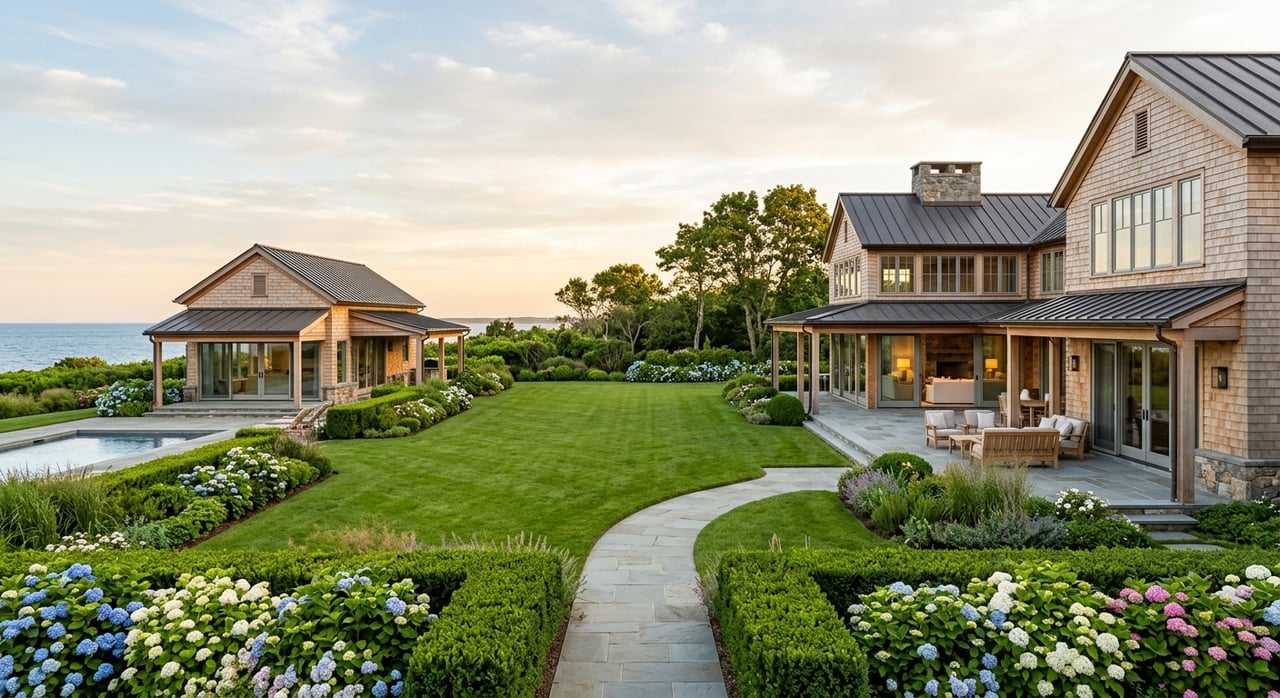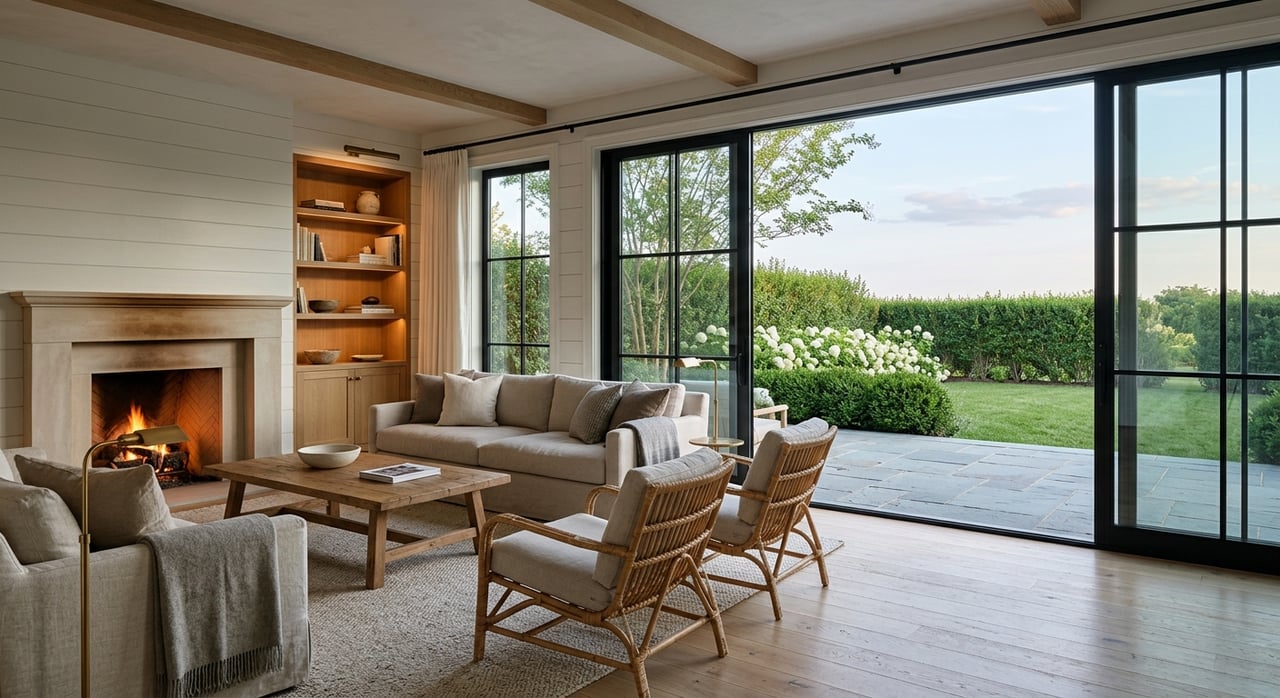
If you are weighing whether to rent or buy in East Hampton, you are not comparing two ordinary housing options. You are deciding how to access one of the Hamptons’ most expensive and most seasonal markets, where purchase prices, rental rates, taxes, and carrying costs can all be substantial. The good news is that the right answer usually becomes clearer once you match the numbers to how often you will actually use the property. Let’s dive in.
East Hampton Is Not a Typical Rent vs. Buy Market
In East Hampton, the decision starts with scale. Public market trackers place the typical home value around $2.08 million, with median listing prices roughly between $2.54 million and $2.8 million. Rental pricing is also elevated, with average or median monthly rents reported around $39,755 to $49,750.
That matters because this is not a market where renting is “cheap” and buying is simply the next step up. Both paths come at a premium, so the better question is often this: how much use, control, and long-term value do you want from your time in East Hampton?
Pricing also varies sharply by area. Springs sits at a very different price point than East Hampton Village or North Haven, which means your rent-or-buy answer may shift depending on the specific setting and property type you want. In a market with this much variation, broad rules only go so far.
Current Market Conditions Matter
The Hamptons market has continued to skew high-end. In the first quarter of 2026, the Hamptons-wide median sales price reached $2,412,500, and the average sales price climbed above $4.25 million. Sales above $5 million also reached a record share of the market, while listing inventory stayed below more typical pre-pandemic levels.
At the same time, East Hampton has shown signs of a slower transaction pace. Realtor.com described it as a buyer’s market in May 2026, with homes selling at about 93% of asking price and a median 115 days on market. Zillow reported about 121 days to pending.
For you, that creates a mixed picture. Buyers may have more room to negotiate than they would in a faster market, but resale is not instant. If you buy, you should do so with a realistic time horizon rather than expecting quick liquidity.
When Renting Makes More Sense
Best for summer-only use
If you plan to use East Hampton mainly for one season, renting is often the cleaner fit. Yes, seasonal rentals are expensive here, but they can still be more practical than buying a home you may occupy only a few weeks each year.
Renting lets you avoid a large down payment, closing costs, and the ongoing burden of taxes, insurance, and maintenance. It can also be the easier choice if you are still learning which part of East Hampton best fits your lifestyle.
Best for uncertain plans
Renting also works well if your plans may change. You might want flexibility around timing, house size, or location, especially if you are deciding between village proximity, waterfront access, or a quieter inland setting.
In a market with meaningful price differences between areas, leasing first can help you refine your priorities before making a larger commitment. That kind of clarity can be valuable in East Hampton, where micro-location has an outsized effect on price and experience.
Best for avoiding idle carrying costs
One of the biggest hidden costs of ownership is paying for months you do not use. A home may be beautiful and well-located, but if it sits largely empty outside a short summer window, the annual cost per night of personal use can become very high.
Renting sidesteps that issue. You pay for access when you need it, without tying up capital year-round in a mostly idle asset.
When Buying Becomes More Compelling
Best for multi-season use
Buying starts to look more sensible when you expect to use the home well beyond the summer. If you plan to spend time in East Hampton in spring, fall, and during holiday periods, the fixed costs are spread across many more days of use.
That shift can make ownership feel less like a luxury splurge and more like a lifestyle investment. It is especially true if you want consistency, storage, and the ability to leave the home set up exactly as you like it.
Best for year-round living
If you expect to live in East Hampton full-time, ownership usually offers the stronger long-term fit. You gain permanence, customization, and more control over how the property functions for daily life.
Still, full-time use does not erase the need for careful modeling. In East Hampton, taxes, insurance, maintenance, and location-specific due diligence should all be part of the decision from the start.
Best if control matters to you
Buying can also make sense if you care deeply about design, improvements, or privacy. Ownership gives you the ability to shape the home around your preferences, whether that means furnishing it to your taste, planning renovations, or creating a property that supports long-term family use.
For many buyers in the Hamptons, that control is a meaningful part of the value. In a highly curated market, lifestyle fit often matters as much as the raw math.
The Real Cost of Buying in East Hampton
Mortgage costs are only the beginning
The purchase price is just the starting point. As of June 25, 2026, Freddie Mac reported the average 30-year fixed mortgage rate at 6.49%. On a hypothetical $2.8 million purchase with 20% down, that works out to roughly $14,144 per month in principal and interest before taxes, insurance, and maintenance.
That number can look manageable in isolation, but it does not reflect the full ownership picture. In East Hampton, the all-in monthly cost can be meaningfully higher once recurring expenses are added.
New York’s mansion tax applies quickly
In this market, New York’s mansion tax is hard to ignore. Residential purchases of $1 million or more trigger a 1% tax on the full purchase price. On a $2.8 million purchase, that means $28,000 due at closing.
That is before attorney, title, recording, and inspection costs. For buyers comparing rent versus buy, the upfront cash requirement alone can be a deciding factor.
Property taxes are highly specific
East Hampton property taxes are not one-size-fits-all. According to the Town of East Hampton Tax Receiver, tax bills can include county, town, school district, fire district, lighting district, road improvement, water connection, and special use district charges.
A public estimator built from New York State parcel data places the East Hampton school-district median tax bill at about $10,021 per year, and notes that the school portion often accounts for 60% to 75% of the total bill. The exact bill depends on the parcel, district, and property details, so it is important to verify the numbers for any home you are considering.
Waterfront ownership adds another layer
If you are considering a coastal or waterfront property, due diligence becomes even more important. East Hampton’s own planning guidance notes risks tied to tidal inundation, coastline loss, sea-level rise, and more frequent severe storms.
That does not mean waterfront ownership is off the table. It does mean you should evaluate insurance, resilience needs, and permitting considerations carefully, because those factors can materially affect long-term cost and ownership experience.
Renting Out Your Home Is Not Automatic
Some buyers assume they can offset ownership costs through rentals. In East Hampton Town, that strategy requires close attention to local rules.
The town says properties rented by the week, month, season, or year must have a Rental Registry number, supported by a self-inspection checklist and a $100 filing fee for a two-year term. The registry number must also appear in rental advertisements.
Jurisdiction matters here. The town’s rental-registry law does not apply to the incorporated villages of East Hampton and Sag Harbor. If rental income is part of your ownership plan, you should confirm the exact rules for the property’s location before relying on that income in your budget.
Accessory apartments have their own annual permit framework as well. So while rental income may be possible, it should be treated as a strategy to verify, not a shortcut to assume.
A Simple Decision Framework
Rent if your use is occasional
If your goal is a few summer weeks or a single season, renting is usually the better fit. It gives you flexibility without the long-term financial and operational obligations of ownership.
This is often the strongest choice for buyers who are still testing neighborhoods, refining preferences, or deciding how often East Hampton will truly be part of their annual routine.
Buy if your use is consistent
If you plan to return often across multiple seasons, buying becomes easier to justify. More use means more value from the fixed costs, and ownership can provide a stronger sense of ease and continuity over time.
In today’s slower transaction environment, buyers may also find room to negotiate compared with asking prices. That said, negotiation opportunity should be viewed as a bonus, not the sole reason to buy.
Think beyond the first year
The best rent-or-buy decision is rarely just about this summer. It is about the next several years of use, your comfort with ongoing costs, and whether you want flexibility or permanence.
In East Hampton, that long view matters. This is a market where the right decision is usually the one that fits your lifestyle pattern as much as your financial picture.
If you are considering a purchase, it helps to model the full carrying cost and compare it against realistic use. It also helps to evaluate the specific micro-market, tax profile, and jurisdiction before making a final call.
For a tailored view of East Hampton opportunities, seasonal rental strategy, or the buying landscape across Hamptons micro-markets, connect with Deborah Srb.
FAQs
Should you rent or buy in East Hampton for summer-only use?
- Renting is usually the more practical choice for summer-only use because it avoids the large upfront cash commitment, mansion tax, and year-round carrying costs of ownership.
Is East Hampton a buyer’s market right now?
- As of May 2026, Realtor.com described East Hampton as a buyer’s market, with homes selling at about 93% of asking price and a median of 115 days on market.
What costs should you check before buying in East Hampton?
- You should verify the exact purchase price, mansion tax, mortgage cost, property tax bill, insurance needs, maintenance expectations, and any flood-zone or permitting considerations tied to the property.
Do East Hampton rental rules depend on location?
- Yes. East Hampton Town requires a Rental Registry number for many rentals, but that law does not apply to the incorporated villages of East Hampton and Sag Harbor.
Does buying in East Hampton make more sense for year-round use?
- In many cases, yes. Ownership is usually a stronger fit when you will use the property across multiple seasons or full-time, because the fixed costs are spread over more actual use.
Can you rely on rental income to offset East Hampton ownership costs?
- Possibly, but you should confirm the exact local rules first, including rental registry or permit requirements, before building rental income into your ownership plan.