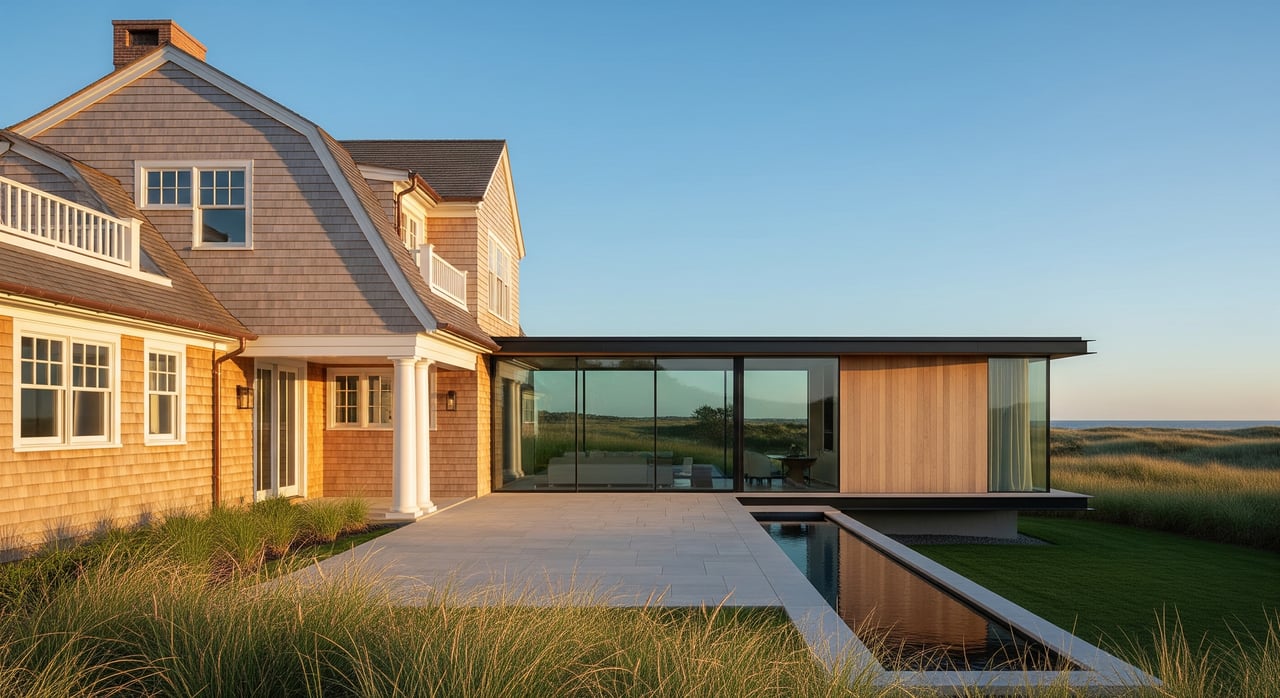
What does a home’s architecture say about life in Wainscott? A lot. From weathered cedar shingles to glass-and-wood pavilions, style sets the mood, influences maintenance, and shapes how buyers see value. If you are deciding between purchasing an iconic Shingle home or a contemporary, or you are preparing to list, a clear view of local styles can save you time and maximize your return. This guide breaks down the main architectural types in Wainscott, how coastal rules and building science affect them, and what moves the market. Let’s dive in.
Why style matters in Wainscott
Wainscott sits within the Town of Southampton, where zoning, lot coverage, and septic limits guide what you can build or expand. These factors, along with coastal rules, are as important as looks when you evaluate a property’s potential. You will want to review the Town of Southampton planning and code resources early in your process.
Coastal exposure also matters. FEMA maps influence finished-floor elevations, flood insurance, and foundation design. Before you buy or start a major renovation, check the FEMA Flood Map Service Center to understand flood zones and elevation needs. In short, architecture here is both aesthetic and performance-driven.
Shingle Style essentials
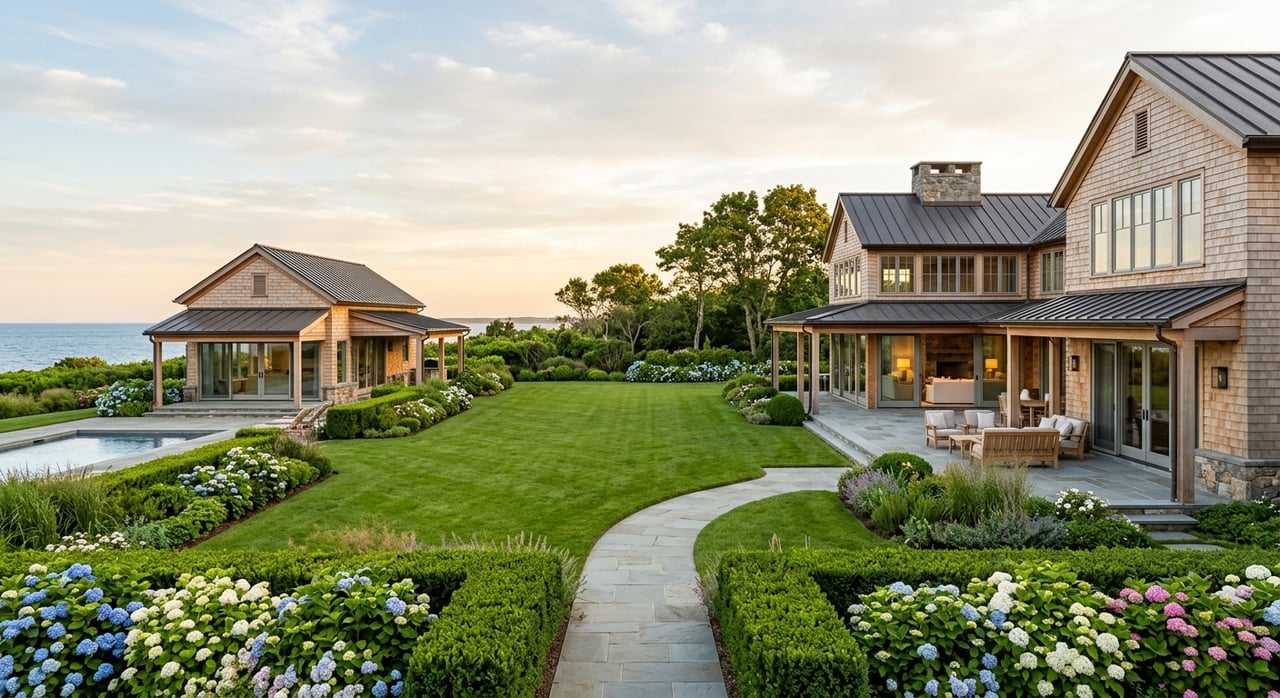
The Shingle Style is the Hamptons classic. You will recognize cedar shingle siding, gambrel or gabled roofs, porches, and divided-light windows. The look is relaxed and contextual, with asymmetrical massing and a soft, natural palette that weathers beautifully.
Shingle performance and care
Cedar shingles deliver character but need periodic attention. Salt air and wind demand proper flashing, stainless fasteners, and roof checks. Many owners choose modern alternatives that mimic cedar with lower maintenance while retaining the authentic look.
Shingle buyer appeal and value
Well-kept Shingle homes feel warm and timeless. Turnkey listings that pair original charm with updated systems, impact-rated windows, and efficient HVAC tend to draw broader interest and stronger offers. The best performers preserve proportion and detail while boosting comfort and resilience.
Stage and list a Shingle home
- Restore trim, gutters, and shingle texture so the façade reads crisp and cared-for.
- Document visible system upgrades like roof, windows, and insulation to build buyer confidence.
- Use native, low-maintenance landscaping that frames porches and paths without competing with the architecture.
Modern homes: light, flow, and craft
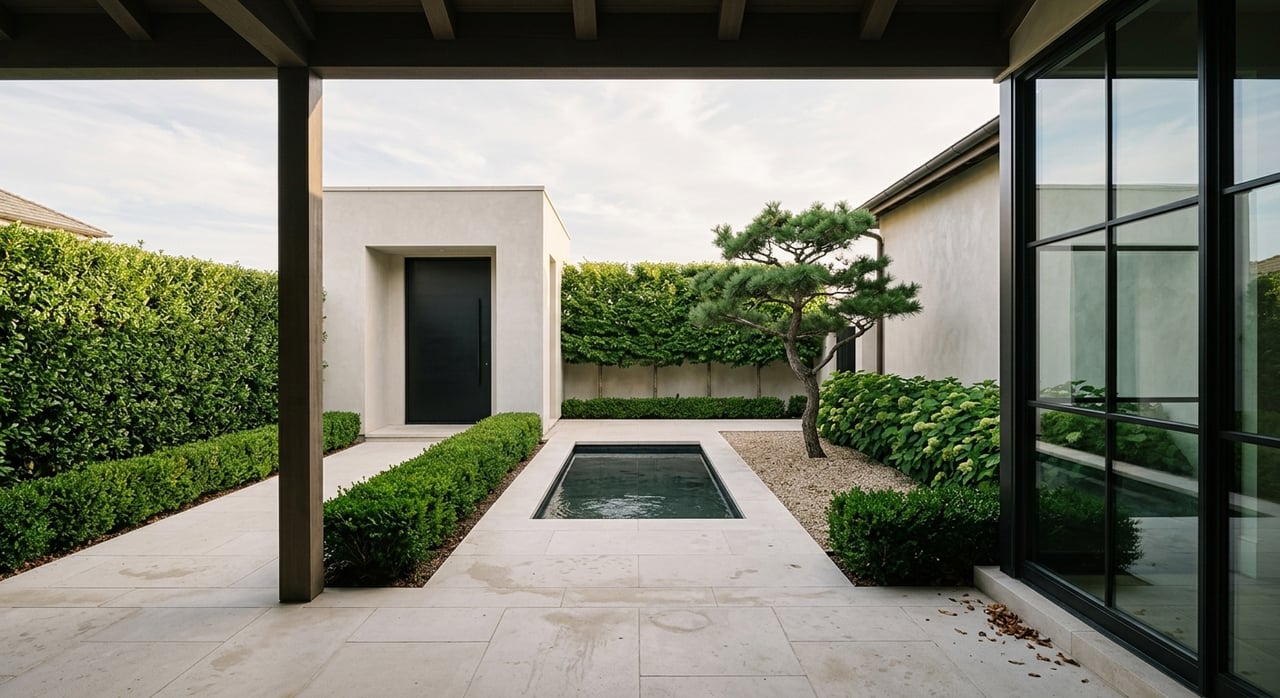
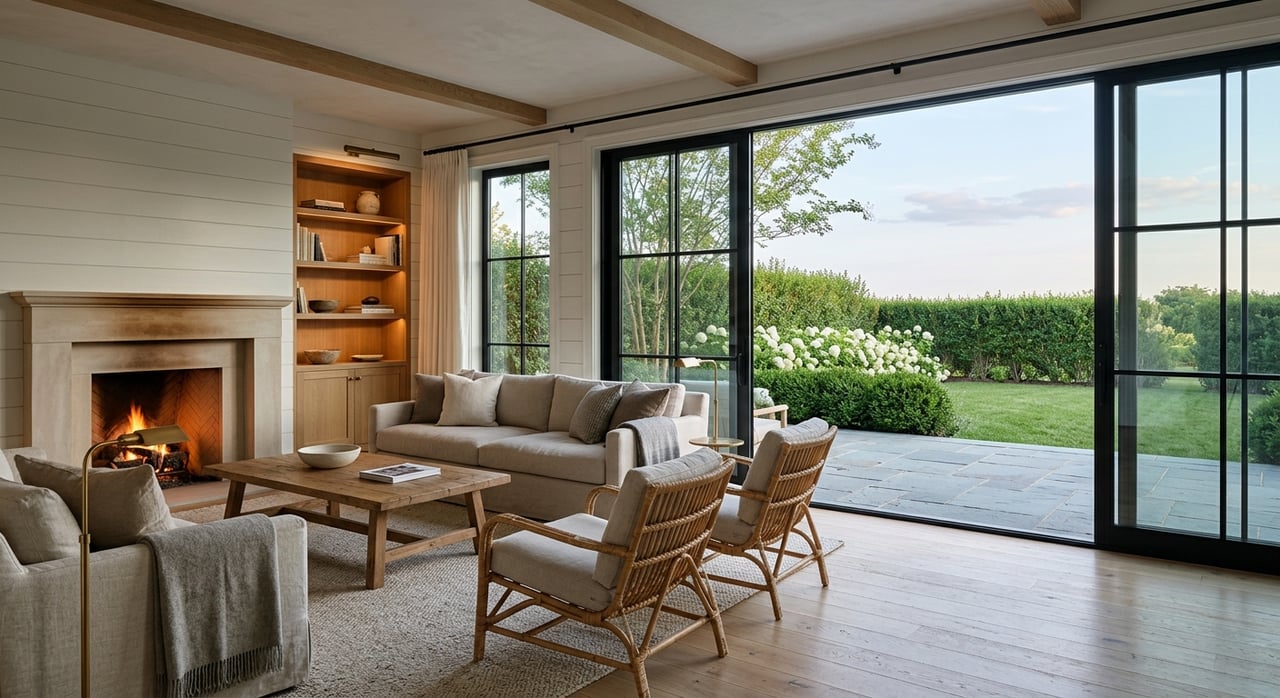
Contemporary homes in Wainscott feature clean lines, generous glass, and indoor/outdoor living. Materials often include glass curtain walls, steel, stucco, and high-quality woods like ipe or cedar. Interiors favor open plans and strong sightlines to gardens, pools, or water.
Modern performance and care
Large panes require impact-rated glazing and attention to thermal performance. In salt air, metals need marine-grade finishes and correct flashing. Wood cladding can be durable with the right species and finish, but you should expect a defined maintenance plan and schedule.
Modern buyer appeal and value
Design-forward buyers pay premiums for architect-designed homes that are turnkey, well-sited, and private. On smaller lots, privacy solutions and landscape design can make or break marketability. Listings that show clear energy performance, coastal engineering, and ease of upkeep tend to stand out.
Stage and list a modern home
- Stage for flow: open sliders, set outdoor rooms, and capture seamless transitions in photography.
- Provide documentation on glazing specs, energy metrics, and corrosion-resistant systems.
- Manage glare and reflections in photos by timing shoots for soft, natural light.
Barn conversions and adaptive reuse
Converted barns and agricultural structures bring soaring volumes, exposed timber, and simple gabled forms. Many blend rustic bones with modern glass or discreet additions.
Barn benefits and cautions
You get drama and flexibility, but conversions can require more complex permitting and structural upgrades. Insulation, HVAC, and egress must meet residential standards, which can add cost. Done well, these homes feel authentic and livable year-round.
Stage and list a barn conversion
- Highlight the timber structure, reclaimed materials, and volume with clean, minimal staging.
- Address comfort directly: call out insulation, modern HVAC, and window performance in your materials.
Estate compounds and large properties
Compounds knit together main houses, guest spaces, pool houses, and significant landscape. Architecture ranges from classic Shingle estates to modern compounds.
How compounds sell
Buyers at this level prioritize privacy, acreage, and amenity packages. Septic capacity, accessory structures, and easements are practical drivers of use and value. Clear, professional materials that explain how the property functions help buyers envision life there.
Stage and list a compound
- Present a lifestyle package: a simple map showing guest flow, pool areas, parking, and service zones.
- Be explicit about septic capacity, permits, and any rules that affect use.
Coastal and code factors that shape value
Flood, elevation, and insurance
FEMA flood zones guide minimum floor elevations and foundation types. That impacts stairs, porches, and site design, and it can affect premiums for flood insurance. Verify your zone, and if applicable, obtain or update an elevation certificate through the FEMA Flood Map Service Center.
Town permitting and approvals
Large rebuilds or coastal work can trigger site plan review, special permits, and septic upgrades. Buyers should request permits and as-built plans; sellers should organize these documents before listing. Start with the Town of Southampton resources to understand the process.
Shoreline and environmental protection
Dunes, wetlands, and shoreline work are regulated, and hard stabilization may be limited. These rules encourage resilient architecture, salt-tolerant landscaping, elevated living spaces, and impact-rated openings designed for storms.
Utilities and septic limits
Many properties rely on septic systems. Capacity often controls bedroom count and plans for guest spaces. Water sources and private road or access agreements can also influence insurability and value.
Renovation ROI and resilience upgrades
Major envelope upgrades, like impact windows, roofing, and foundation improvements, are meaningful in coastal Wainscott. They improve insurability, reduce risk, and increase buyer confidence. National data sets such as the Remodeling Cost vs. Value report offer directional ROI insights, but coastal needs and local premiums should be weighed.
Energy performance is another selling point. Electric heat pumps, better insulation, and balanced ventilation add comfort and reduce operating costs. You can explore state programs and incentives through NYSERDA.
How style affects today’s market
- Traditional Shingle homes often appeal to a wider range of Hamptons buyers who want authenticity and context.
- Architect-designed moderns can command premiums when turnkey, thoughtfully private, and well documented.
- Unique properties, like barns or highly expressive contemporaries, can either captivate a niche and sell strong or narrow the buyer pool if execution is too idiosyncratic.
Quick checklists
Pre-listing documents to assemble
- Permits and plans for past work, surveys, and any elevation certificate.
- Septic inspection, well or water records, and mechanical service logs.
- Recent engineering reports, roof or window warranties, and maintenance history.
Shingle Style seller touchpoints
- Repair or replace shingles and trim with matching profiles or approved alternatives.
- Show modern systems and insulation; highlight impact-rated windows if installed.
- Stage for relaxed coastal living, not formality.
Modern home seller touchpoints
- Define the indoor/outdoor experience in photos and copy.
- Provide specs for glazing, structure, and energy systems.
- Address privacy with landscape screens or architectural solutions.
Barn conversion seller touchpoints
- Celebrate timber, volume, and craftsmanship.
- Prove year-round comfort with documented insulation and HVAC.
Estate seller touchpoints
- Map amenity flow and guest capacity.
- Clarify septic, accessory structures, and any easements or rules.
Ready to explore Wainscott architecture?
Whether you are drawn to the quiet poetry of cedar shingles or the clarity of glass and steel, the right presentation and documentation can elevate value. If you are buying, align style with function, flood and code realities, and a clear maintenance plan. If you are selling, invest in honest improvements that buyers can see and verify. For tailored guidance, curated staging, and neighborhood-level insight, connect with Deborah Srb for a design-led strategy that fits your goals.
FAQs
What defines the Shingle Style in Wainscott?
- Expect cedar shingle cladding, gabled or gambrel roofs, divided-light windows, and relaxed, asymmetrical massing that fits the coastal context.
How do flood zones affect Wainscott home design?
- FEMA zones guide finished-floor elevations and foundation types, which can change stairs, porches, and insurance; verify your zone on the FEMA Map Service Center.
Are modern glass homes practical near the ocean?
- Yes, with impact-rated glazing, marine-grade metals, correct flashing, and a clear maintenance plan to address salt air and wind exposure.
What should I verify before buying a barn conversion?
- Review permits, structural upgrades, insulation, egress, and HVAC to ensure year-round comfort and code compliance.
How are estate compounds valued in Wainscott?
- Buyers weigh privacy, acreage, and amenities, plus septic capacity, accessory structures, and any easements or rules that affect use.
Which upgrades typically deliver ROI in coastal homes?
- Envelope and resilience upgrades, like impact windows, roofing, and energy improvements, often improve saleability and buyer confidence in Wainscott.